Search our online catalogue
Free shipping for orders over 100,00 € | BIG SAVINGS

ITA - € EUR
Whether you're training, competing in a race or simply enjoying a day out on your bike, staying safe in the saddle requires awareness, preparation and attention to your surroundings. From road cycling to gravel riding and mountain biking, cycling safety depends on a combination of factors, including proper bike maintenance, responsible riding habits, good visibility and the right protective clothing and equipment.
While no precaution can eliminate every risk, taking the right steps can help prevent dangerous situations and minimise the consequences of a fall. Alongside conventional protective gear, advances in materials, design and cycling apparel technology have paved the way for new solutions that offer greater protection in the event of a fall, without compromising on comfort, weight or freedom of movement.
Among the latest innovations are cycling airbag systems, which introduce a new approach to active protection. Rather than simply cushioning the impact, these systems are designed to respond rapidly when a fall is detected. This is the principle behind the Nalini AEROBAG Bib Short, a solution that integrates airbag technology directly into technical cycling apparel.
In this article, we'll explore the key cycling safety tips to help you stay protected on every ride, from pre-ride preparation and road visibility to choosing the most suitable protective equipment.
Cycling safety starts before you even get on your bike. Keeping your bicycle in good condition and planning your ride carefully can help reduce the risk of unexpected problems. Before setting off, it is essential to check your tyres and brakes. Tyre pressure should be appropriate for your bike, the route and the terrain, while your brakes should respond smoothly and reliably. It is also important to make sure your wheels are securely fitted and that the drivetrain, gears and other key components are working properly, particularly after maintenance or transporting your bike.
Planning your route is just as important. Checking the distance, elevation gain and type of terrain in advance, along with the weather forecast and available daylight hours, will help you choose the right clothing and equipment and assess whether the route matches your fitness and experience.
Whether you're road cycling, gravel riding or mountain biking, thorough preparation can help minimize unexpected issues and make every ride safer and more enjoyable.
Being clearly visible to other road users is one of the key aspects of cycling safety. How easily drivers can spot a cyclist depends on several factors, including the time of day, weather conditions, ambient light and the characteristics of the route. Darkness is not the only situation that requires extra caution: rain, fog, overcast skies, tunnels and transitions between sunlight and shade can all reduce visibility, even during daylight hours.
Front and rear bike lights, along with reflectors, are essential safety features and should be used in accordance with applicable regulations and riding conditions. Choosing suitable cycling clothing can also help make riders more noticeable to other road users.When cycling in low or changing light conditions, it is advisable to wear clothing with reflective details. These features can be incorporated into cycling jerseys, jackets, gilets, bib shorts and accessories, helping cyclists stand out when illuminated by vehicle headlights.

Road behaviour also plays an important role. Maintaining a steady line, signalling changes of direction well in advance and avoiding sudden manoeuvres can make a cyclist's movements more predictable, particularly at junctions, roundabouts and side roads. Improving visibility therefore requires a combination of measures: ensuring that both the bicycle and rider are easily seen, selecting appropriate clothing for the lighting conditions and adopting safe, predictable behaviour on the road.
Even with responsible riding habits and careful preparation, the risk of a fall cannot be completely eliminated. This is why cycling safety also depends on choosing the right equipment, providing effective protection without restricting movement or compromising comfort while riding.
A helmet is one of the most important pieces of cycling protective equipment. In addition to choosing a model that meets current safety standards, it is essential to select the correct size and adjust it properly to ensure a secure and stable fit. The condition of the helmet should also be checked regularly, following the manufacturer's recommendations for maintenance and replacement, particularly after an impact.
Other cycling protective gear and technical clothing should be selected according to the type of riding and the conditions in which they will be used. The requirements of road cyclists, for example, may differ from those of riders tackling gravel routes or more technical mountain bike trails. When choosing suitable equipment, it is important to consider several key factors:
Choosing the right technical cycling clothing is therefore particularly important, with considerations extending well beyond comfort alone. Cycling shorts, jerseys and other technical garments can also be designed to enhance rider protection, incorporating more durable materials in vulnerable areas or specialised protective features directly into the clothing.
Among the solutions developed to improve rider safety in the event of a fall, cycling airbag systems offer a different approach to conventional protective equipment.
While helmets, body protection and abrasion-resistant materials are primarily designed to minimise the consequences of an impact, cycling airbags are designed to activate when movements consistent with a fall are detected. By rapidly inflating an air chamber before impact, they provide an additional layer of protection for specific areas of the body.
At the heart of a cycling airbag system is technology capable of monitoring the rider's movements. Sensors and algorithms continuously analyse the data collected and trigger the inflation mechanism when the conditions for deployment are met. Rapid response times are essential, as the system must activate within the brief interval between detecting a fall and the resulting impact. This ability to deploy before impact is what sets airbag technology apart from conventional cycling protective equipment.

However, adapting this technology to cycling presents specific challenges. The system must be compact, lightweight and ergonomic, remaining securely in place without restricting the rider's movements. This is particularly important in road cycling, but also in gravel riding and mountain biking, where riding positions and body movements can change frequently throughout a ride.
Another key consideration is integration with technical cycling clothing. Designing garments specifically to accommodate the airbag system allows its components to be positioned effectively while maintaining a comfortable fit and freedom of movement. This is where advances in airbag technology and cycling apparel come together: rather than simply being worn over existing clothing, the protective system can become an integral part of a garment designed to move with the rider.
A cycling airbag does not, of course, replace other safety precautions or protective equipment, but it can provide an additional layer of protection in the event of a fall. This seamless integration of advanced technology and technical apparel is the concept behind the Nalini AEROBAG Bib Short, a solution developed to bring active protection directly into the cyclist's kit.
Nalini AEROBAG Bib Short is the first cycling bib short designed to incorporate an integrated airbag system, specifically developed to meet the needs of cyclists. With this solution, Nalini introduces a new approach to safety in technical cycling apparel: integrating active protection technology directly into the bib shorts, rather than treating it as a separate piece of equipment.
Designed for road cycling, gravel riding and mountain biking, AEROBAG offers a high level of protection while maintaining the essential qualities cyclists need, including lightweight construction, aerodynamics, comfort and freedom of movement.
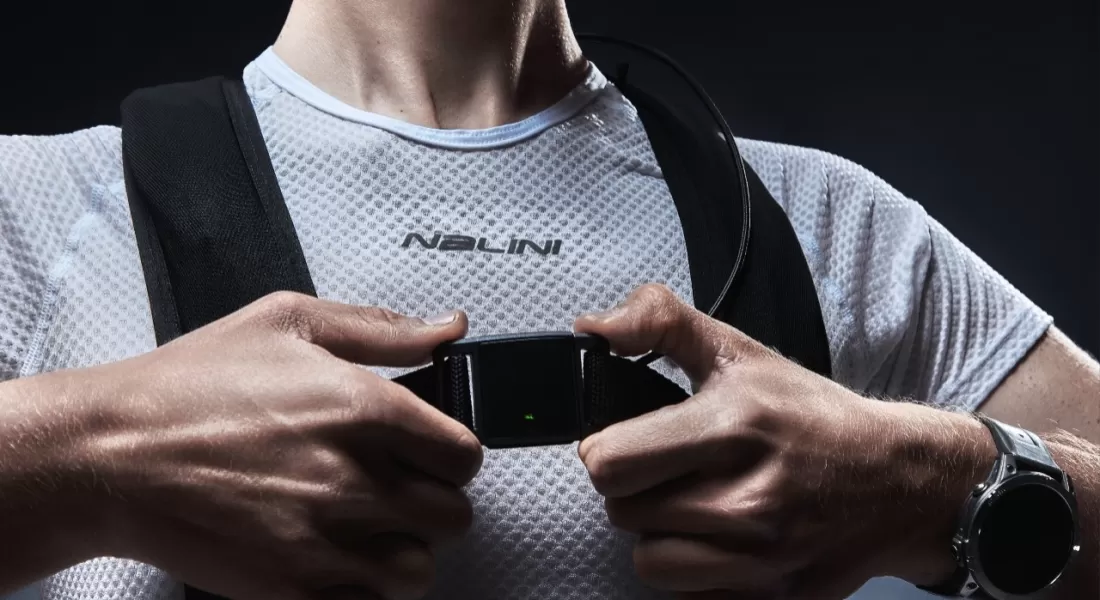
The bib shorts have been specifically developed to accommodate the airbag system created by Aerobag. This consists of a compact air chamber that fits into the shoulder straps and waistband through specially designed openings. A dedicated rear pocket houses the CO₂ cartridge and gyroscopic module, which continuously monitors the rider's movements.


When the system detects a fall, the airbag deploys in approximately 100 milliseconds, helping to protect the pelvis and upper body during impact. Every aspect of its integration has been carefully considered to ensure a discreet, ergonomic fit. Despite its advanced technology, the complete system weighs approximately 500 grams, preserving the comfort and mobility required during cycling. The product has also been tested by professional cycling team Picnic PostNL, sponsored by Nalini.
It is this combination of rapid deployment, compact design and seamless integration into the garment that makes AEROBAG stand out. However, protection is not provided by the airbag alone. The bib shorts are made from a fabric incorporating Dyneema® fibres, a material known for its exceptional cut and abrasion resistance. In the event of a slide, this fabric helps protect the areas covered by the shorts against friction with the road surface, while retaining the stretch and comfort essential for cycling.
Ease of use is another key feature of the design. Before setting off, the Aerobag device can be inserted into the dedicated openings in the bib shorts. Once the garment is worn, the system monitors the cyclist's movements throughout the ride. Following deployment, the airbag can be reused by replacing the CO₂ cartridge, while the device itself can be removed to allow the shorts to be washed. The bib shorts can also be worn without the airbag system.
With the AEROBAG Bib Shorts, Nalini redefines the concept of technical cycling apparel by making protection an integral part of the garment's design. The result is an advanced solution developed to enhance cycling safety while delivering the comfort, lightweight performance and freedom of movement that riders expect.
Discover the Nalini AEROBAG Bib Short in our online shop and complete your kit with Nalini cycling clothing, designed to support you on every road, gravel and mountain bike ride!

Your cart is empty
 Nalini
 The operation could not be completed