Search our online catalogue
Free shipping for orders over 100,00 € | BIG SAVINGS

ITA - € EUR
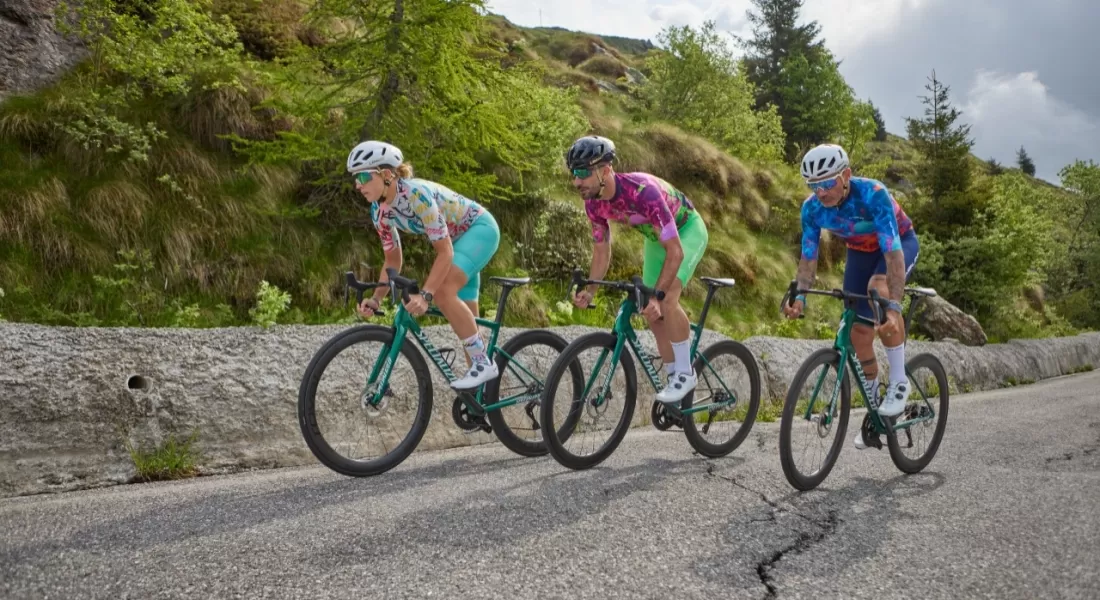
Cycling is one of the most complete and versatile sport. It can be practiced outdoors by people of all ages and with different levels of physical preparation, and ensures concrete benefits for cardiovascular, muscular, and mental health. Whether it's a simple weekend getaway or a desire to get moving and exercise while exploring new routes on two wheels, more and more people are choosing the bicycle as a training and leisure companion.
Getting into cycling for the first time, however, requires adequate preparation and equipment. Choosing the right bike, understanding how to organize your first rides, understanding the fundamentals of pedaling technique, and knowing what to wear can all make a difference in the quality of your first riding experiences. For this reason, it is important to start riding with awareness, taking into consideration some tips and fundamental measures to make cycling trips pleasant and safe.
Let’s see together some practical cycling tips for beginners: from choosing the bike that best suits your needs to planning your workouts, to selecting routes, road safety regulations, and the technical clothing essential for riding in complete comfort and safety, from day one.
The first step to getting started with cycling is figuring out which type of bike is right for you because the choice depends entirely on where and how you plan to ride. There are three main categories, each with different characteristics and designed for a specific use:
Once you've identified the type that best suits your riding style, there are three key technical aspects to consider before purchasing. The first is the size. Choosing the right size is perhaps the most important factor of all: an outsized bike, even a small one, can cause back, knee, neck, and wrist pain and make riding unpleasant. Size is primarily determined by height and leg length, and is expressed in centimeters for road and gravel bikes, or in sizes S/M/L/XL for mountain bikes.
Each manufacturer provides a reference table on their website but the best advice remains to test the bike before purchasing it or to rely on a specialized store for a direct evaluation. Once purchased, a professional bike fitting - that is, the personalized adjustment of saddle, advance and handlebars according to your physiognomy - will allow you to maximize comfort and efficiency of pedaling.
The second aspect is the bike gear shifting. For beginners, an electronic or twelve-speed group is not necessary: the important thing is to have a range of ratios wide enough to tackle both flat sections and climbs without excessive effort. A ten or eleven speed gear shifting, well adjusted and in good condition, is more than enough to ensure you enjoy your bike rides.
The third element to take into consideration is the frame material. The most common options on the market are three: aluminum, carbon and steel. Aluminum is the most popular material in the entry-level range: lightweight, rigid, and relatively inexpensive, it's a solid choice for beginners. Carbon offers the best ratio of lightness to vibration absorption, but it is more expensive and requires more attention in the event of impacts. The steel, heavier than the other two, ensures a soft and comfortable riding experience, and is often chosen for high-end cycle touring and gravel bikes.
One of the most frequent mistakes of beginner bike riders is to start too strong. Exits that are too long, excessive pace, challenging climbs from the very first kilometers: this approach almost inevitably leads to excessive muscle fatigue and, in the worst cases, injuries.
In the first two or three weeks, it's best to proceed gradually. The goal is not performance but familiarity with the bike: learn to shift gears smoothly, brake confidently, manage the front gear shift, and unhook your shoes from the automatic pedals before stopping.
Schedule 45-60 minute outings on flat or low-level routes, at a frequency of two or three times a week, always leaving at least one recovery day between sessions. You don't have to follow a structured cycling training program right away: let yourself be guided by the morphology of the terrain and the sensations in training.
After the first month, you can start gradually increasing volumes: take the exits to 90 minutes, then two hours, and add a few climbs to the route. If you have access to a roller or home trainer, you can alternate outdoor outings with indoor sessions, especially useful in the winter months or when the weather isn't helping. Knowing how to start training on a bike sustainably means, first of all, not rushing: every week on the saddle is a step forward.

The choice of route is an aspect often underestimated by beginner bike riders, but very important because it can have a direct impact on the success of a bike ride and, above all, on the desire to continue training. A wrong route, too demanding, too busy or simply not very pleasant, can in fact discourage even the most motivated of beginners.
In the first few weeks, prefer simple, low-traffic roads: bike paths, secondary country roads, or rarely used hilly routes are ideal for getting comfortable with cycling without stress. The road surface matters: smooth asphalt is obviously smoother and less tiring, but compact off-road trails are also excellent for those who want to explore without rushing. Instead, avoid, at least initially, busy roads, technical descents and rough bottoms that require more experience.
As for the altitude difference, here too the watchword is gradualness. The better choice is to start with mostly flat or short routes, gentle climbs, and progressively increase the elevation gain as legs get used to the effort. You can also use specific apps to plan routes in advance, view the elevation profile, estimate travel times, and discover new routes in your area created by other cyclists. Knowing exactly where you're going (and how much is left until the end of your workout) is a detail that helps a lot mentally, especially on the first few outings.
Cycling safely is not just about wearing a helmet, which is obviously essential, but includes a set of behaviors and precautions that every cyclist should always keep in mind. Especially at the beginning, prefer routes you know or have studied in advance, ideal for getting comfortable with the bike.
On a technical level, body position is crucial: try to keep your knees parallel to the frame while pedaling, always keep your gaze forward, and learn to distribute your weight between the handlebars and the saddle to avoid excessive shoulder and arm strain. When going downhill or on wet surfaces, always brake progressively, anticipating the slowdown, avoiding sudden breaks that could cause you to lose grip. Use the gear shifting correctly: anticipate climbs by climbing before the pace becomes challenging and keep the chain as straight as possible between the sprocket and crown, avoiding cross-ratios at the ends of the cassette.

Visibility on the road is also an aspect that should never be underestimated. Make sure the front and rear lights are on during the day, especially on morning or evening rides, and wear cycling clothing with reflective elements, which significantly reduces the risk of accidents. On this front, as we will see in the next paragraph, the choice of the right technical clothing plays a key role, which goes far beyond aesthetics.
Among the tips for road cycling beginners, clothing is often the most underrated. Yet, wearing technical cycling clothing can make a huge difference in comfort and performance. This is not a purely aesthetic issue: each garment is designed to meet specific functional needs, studied and tested directly in the field.
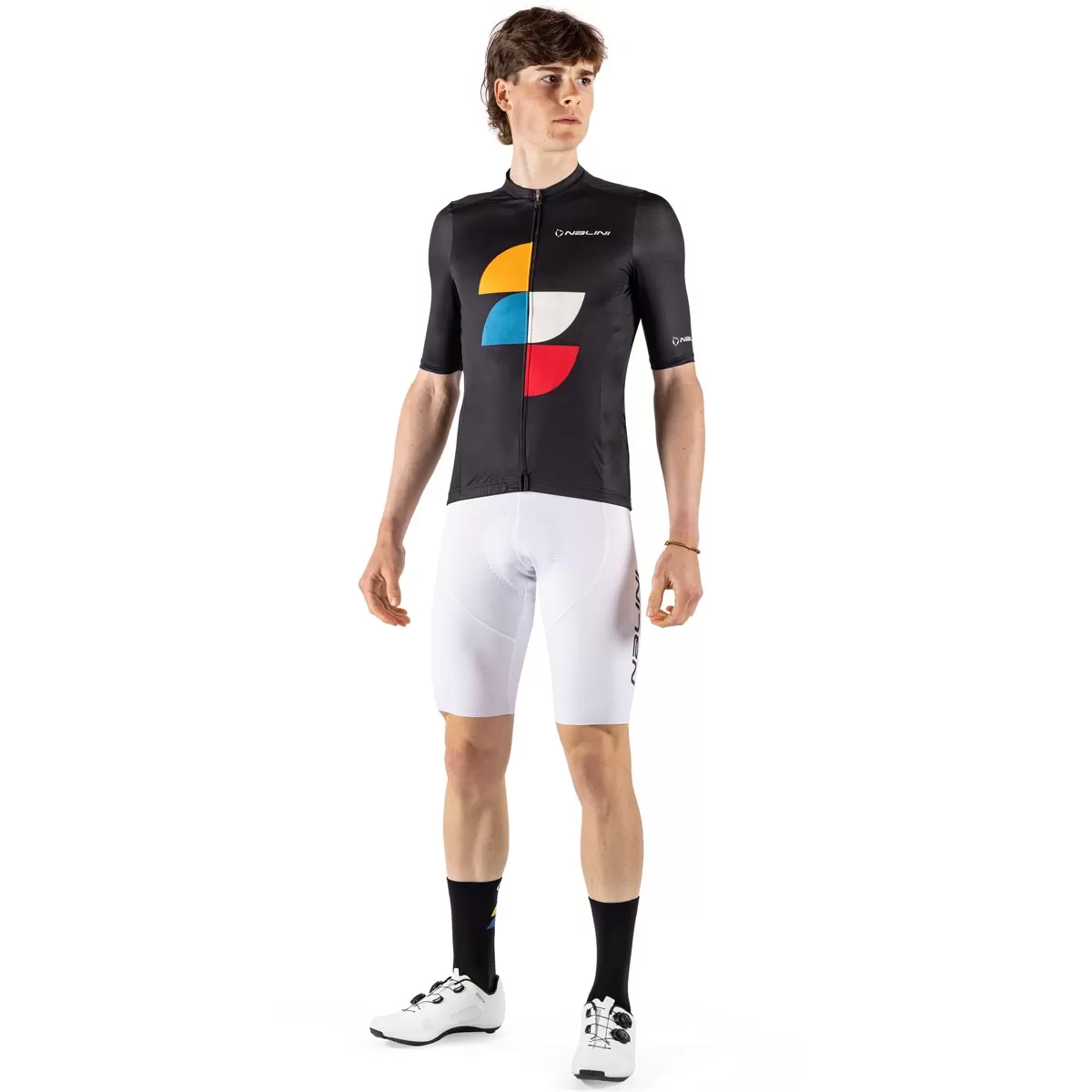
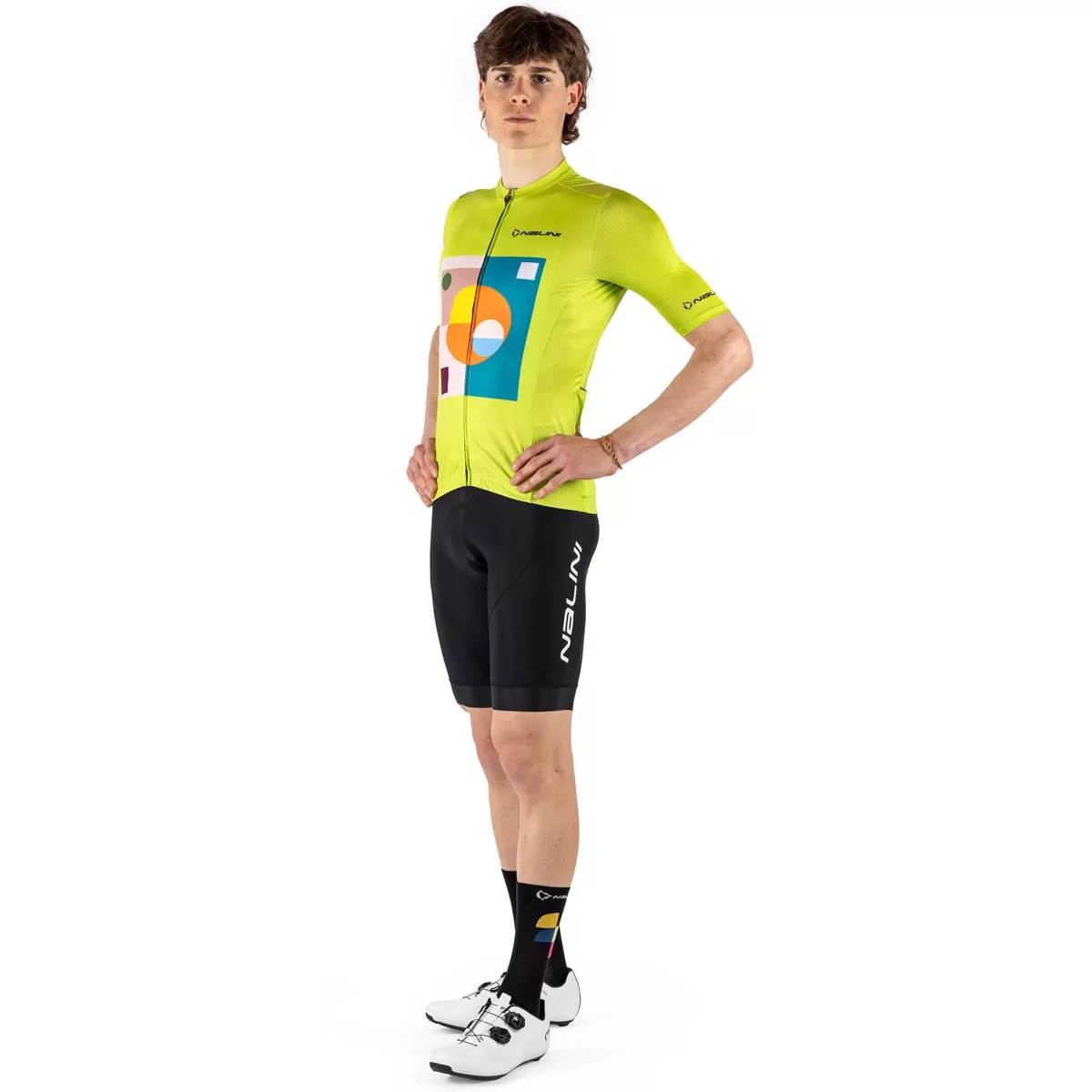
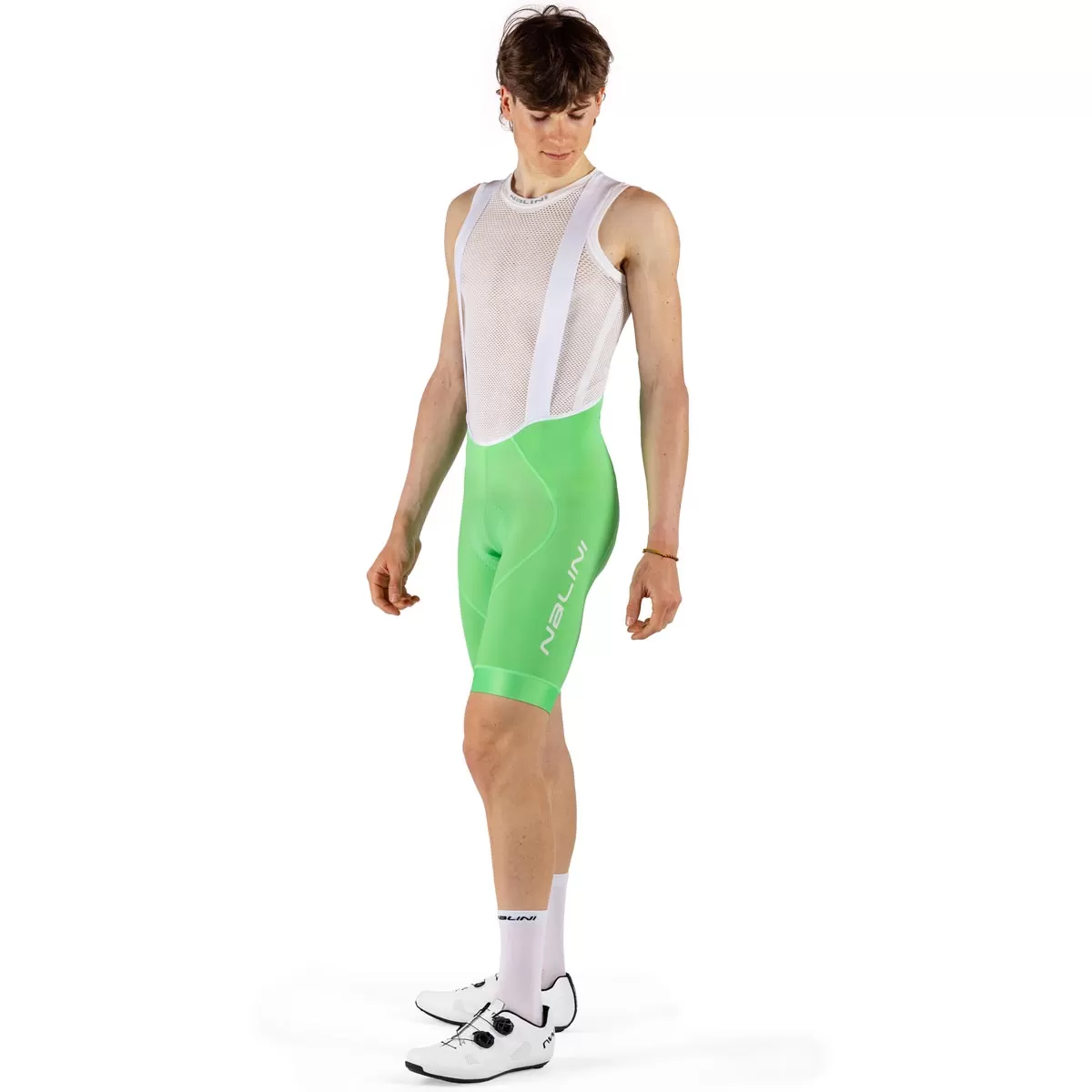
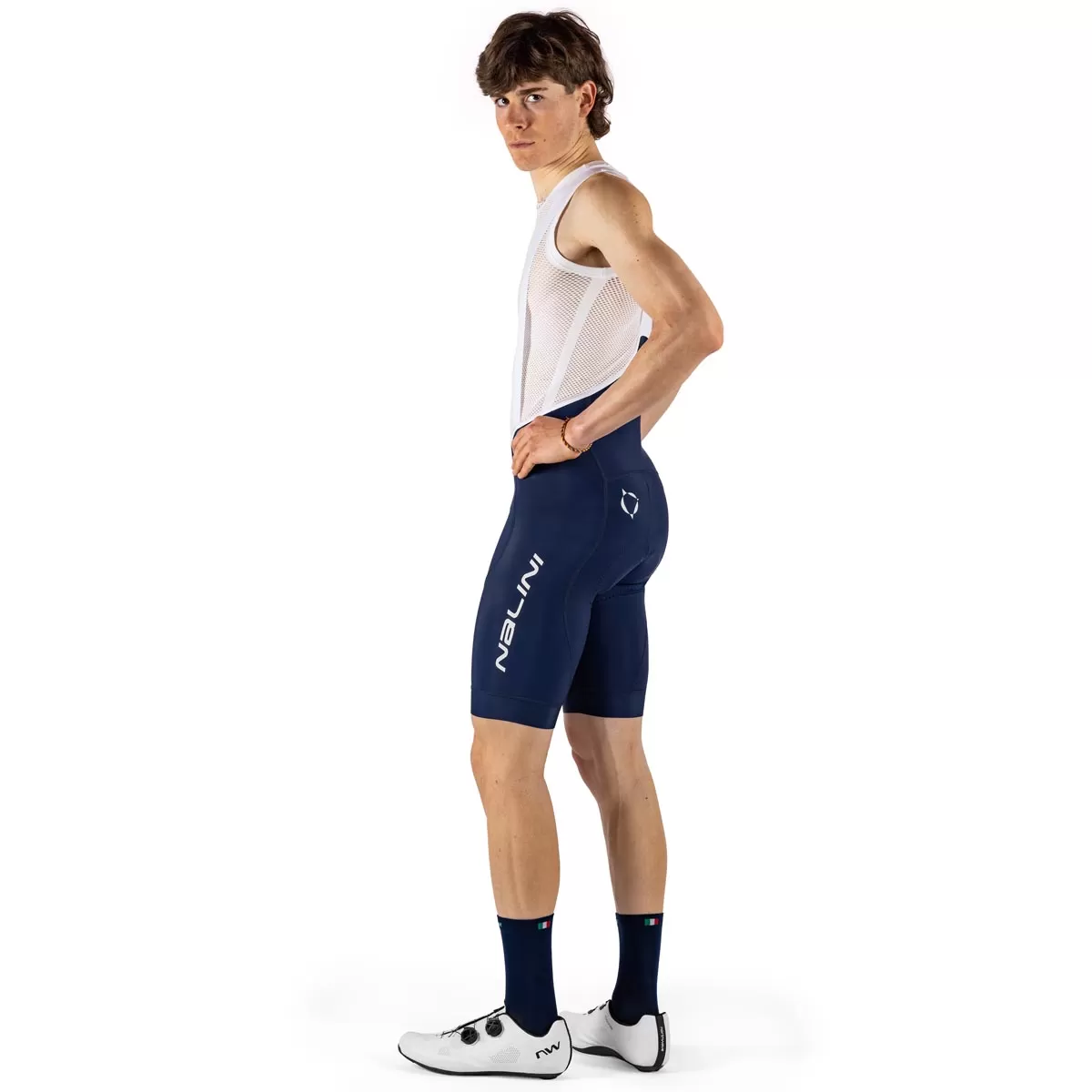
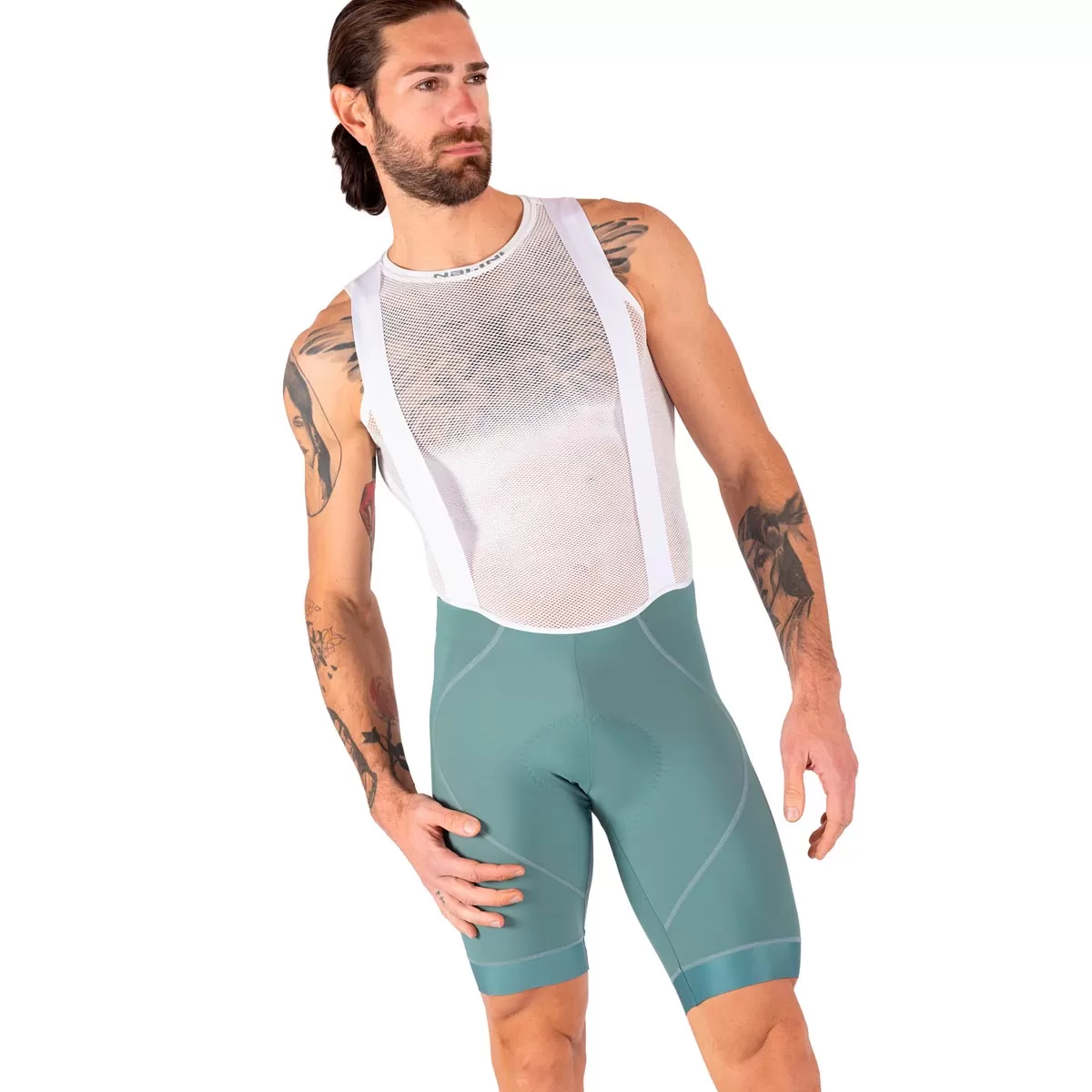
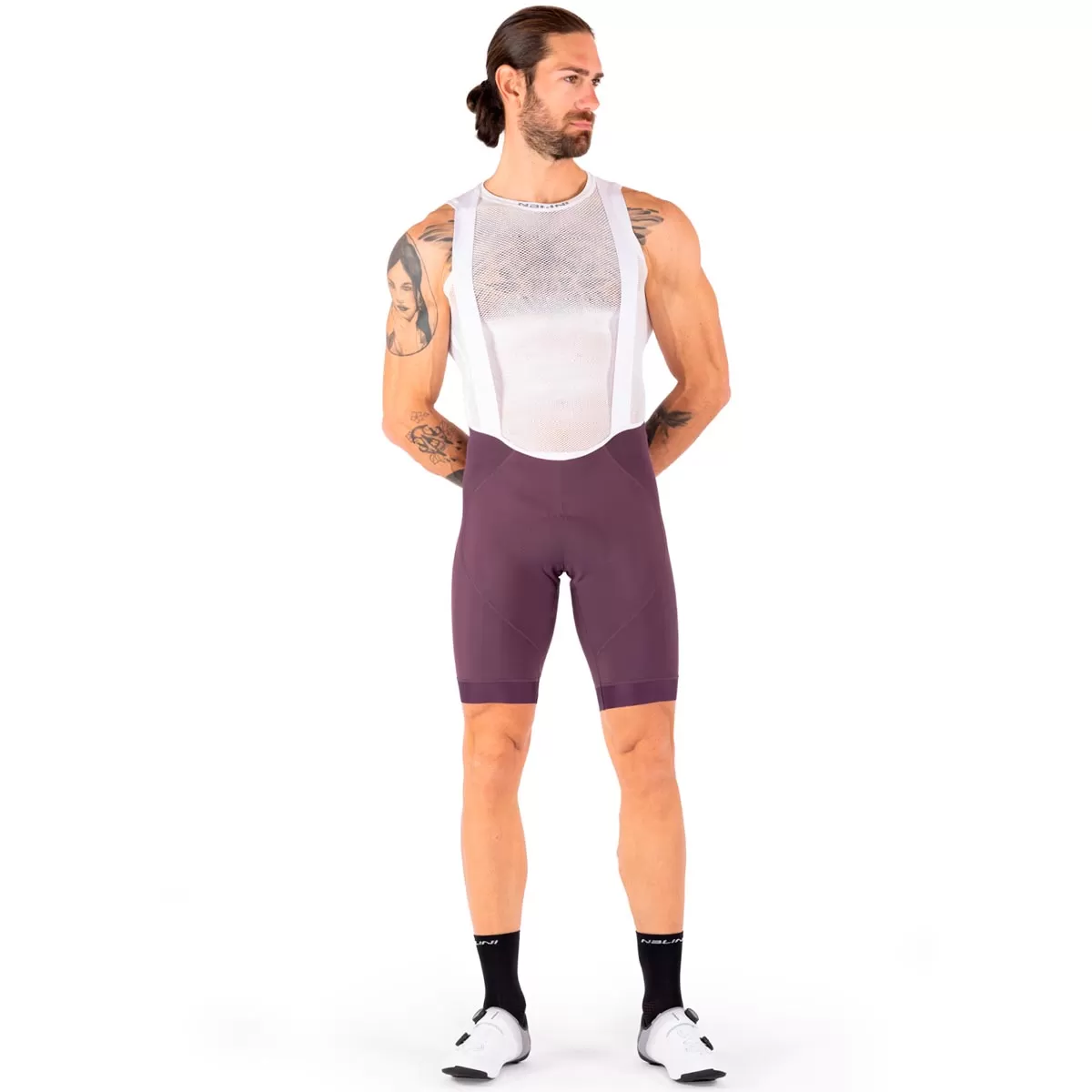
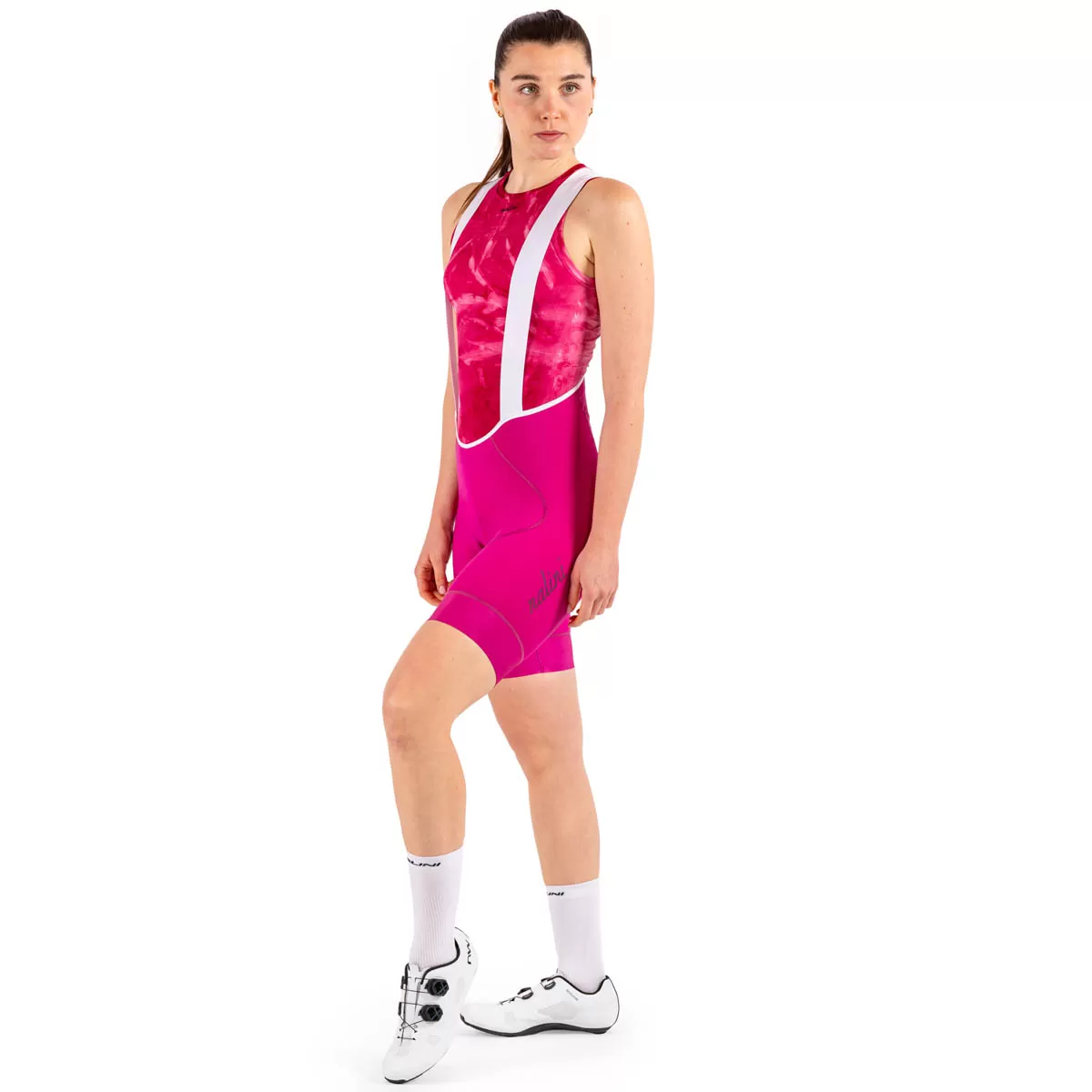
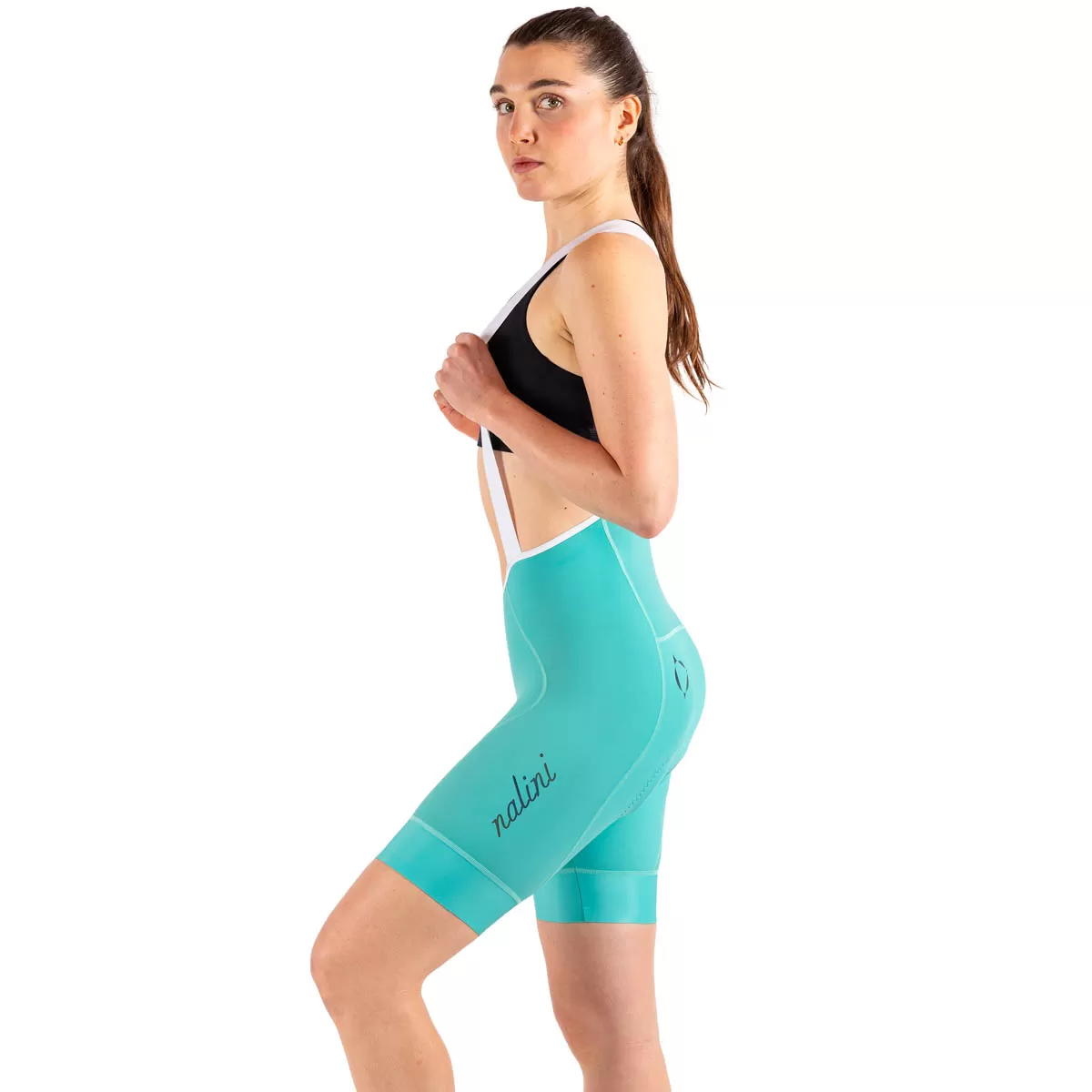
Among the most important garments are undoubtedly padded cycling shorts. The pad - a padded insert placed in the area of contact with the saddle - reduces pressure, absorbs vibrations and prevents abrasions and skin irritation. Alternatively, bib shorts are perfect for those who prefer a more wraparound fit and want more support. Unlike classic shorts, they don't require an elastic waistband, keep the pad always in the correct position while pedaling and offer greater muscle support. In the Nalini road cycling clothing line you can find shorts with or without suspenders with pads developed and tested in-house by Moa Sport, ideal even for beginners who want to start cycling in maximum comfort.
A breathable technical jersey is the second essential piece. Unlike a regular cotton t-shirt-which absorbs sweat and keeps it in contact with the skin, causing discomfort and a drop in body temperature-a cycling jersey is made with technical fabrics that promote rapid evaporation of sweat, keeping the body dry and the temperature regulated. For summer rides, fast dry treatment is essential.

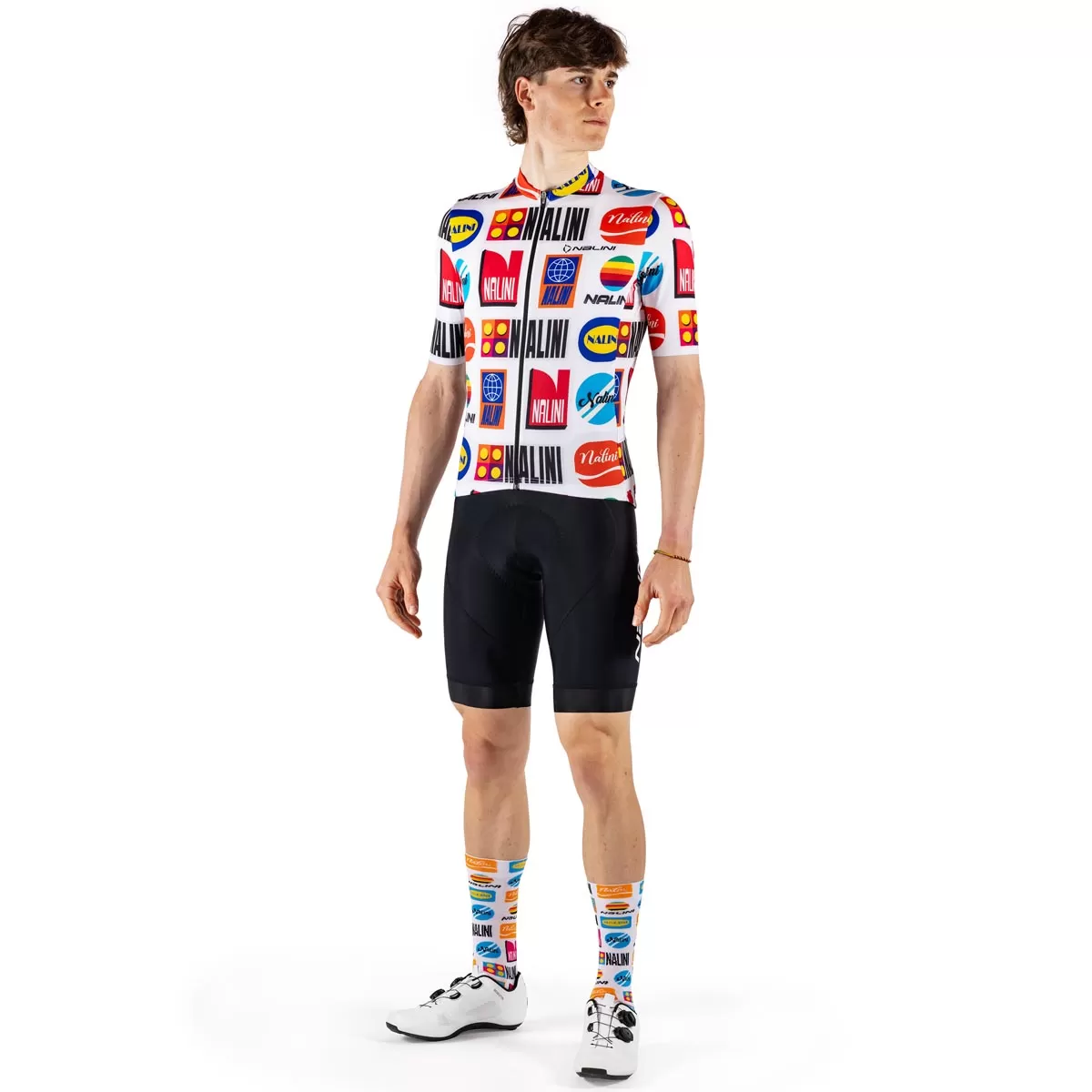
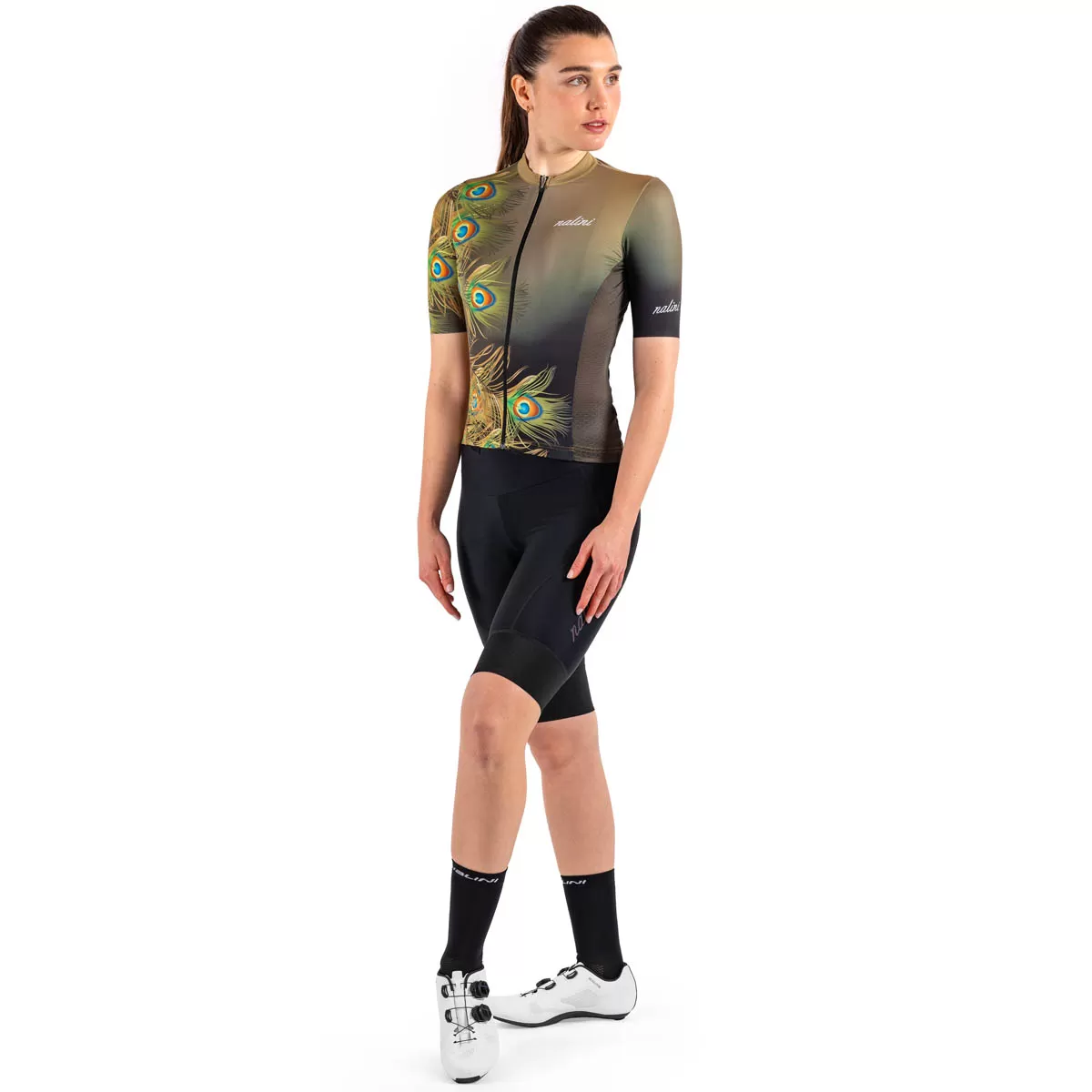
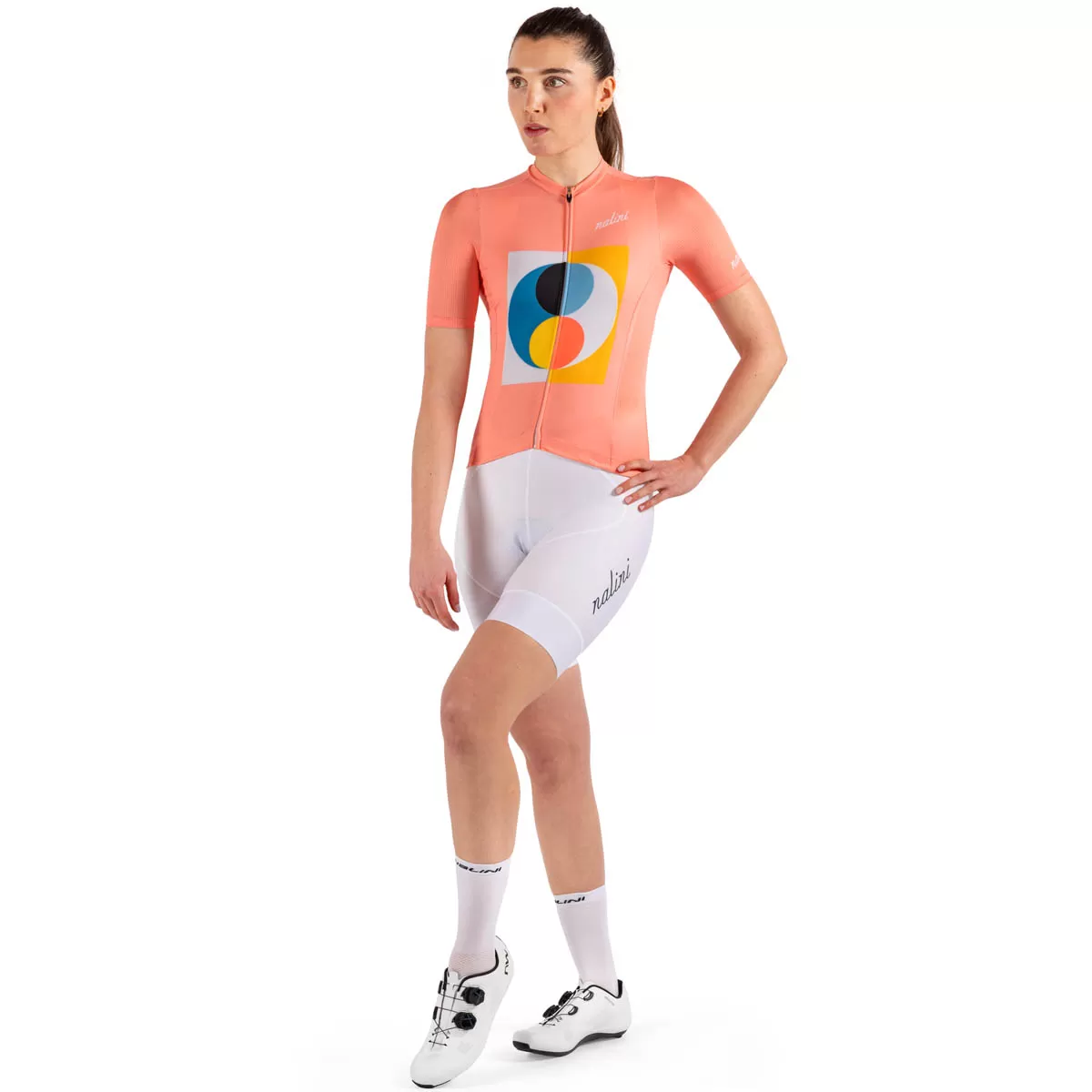
The Miaohaus Jersey by Nalini is perfect for first bike rides. It is an ergonomic mesh with side panels and sleeves made of ultra-lightweight fabric with micro-holes, which improve ventilation and breathability while pedaling. The body fabric is soft to the touch and hydrophilic, and offers additional protection from both air and sun, especially useful in summer outings. The graphics are inspired by the artistic movements of the 20th century, with clean, essential lines and a strong visual impact: a garment that stands out, without sacrificing anything on a technical level. The garment is completed by a YKK® cam-lock zipper hidden along the entire length, an internal elastic band with silicone on the bottom and three functional back pockets with reflective piping for visibility on the road.
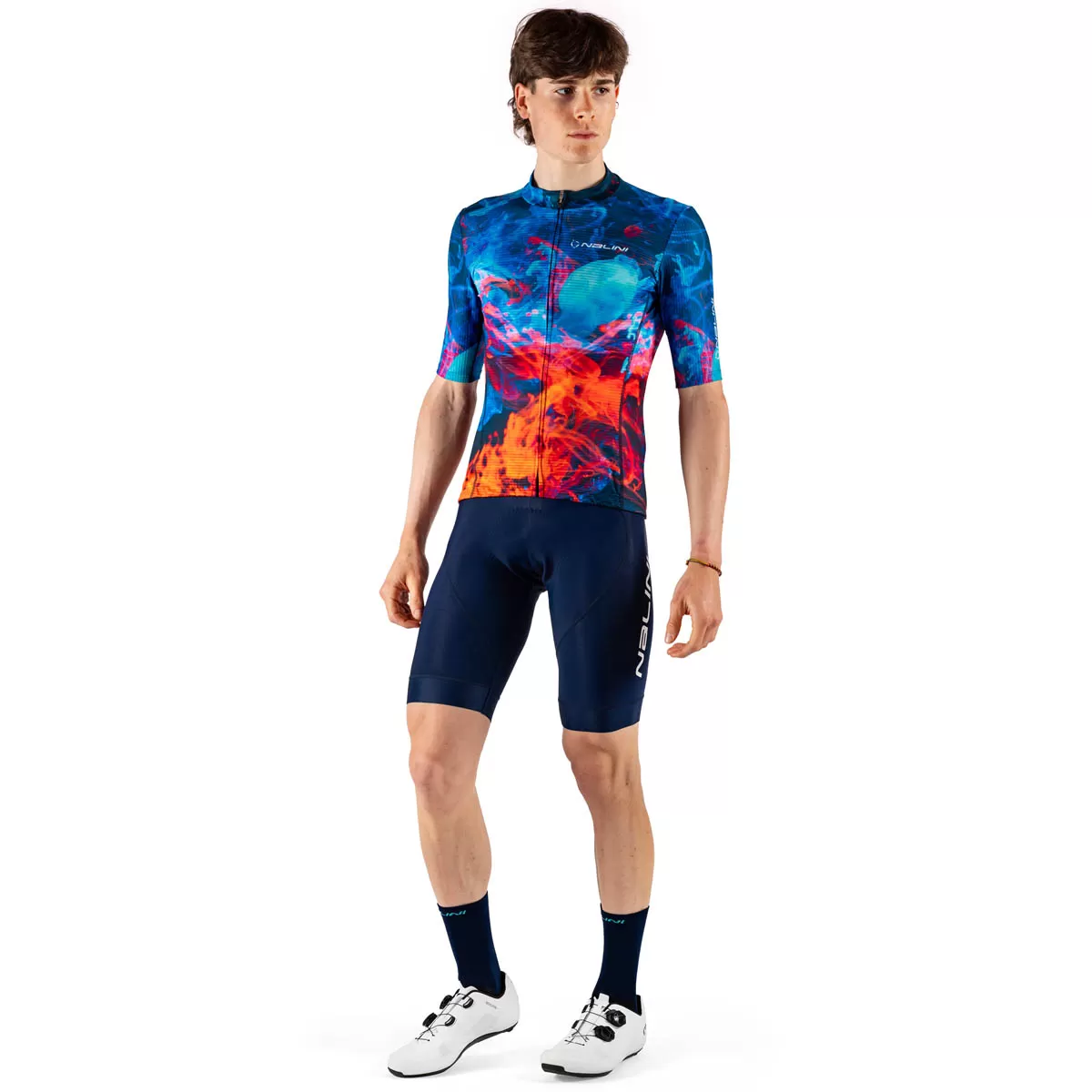
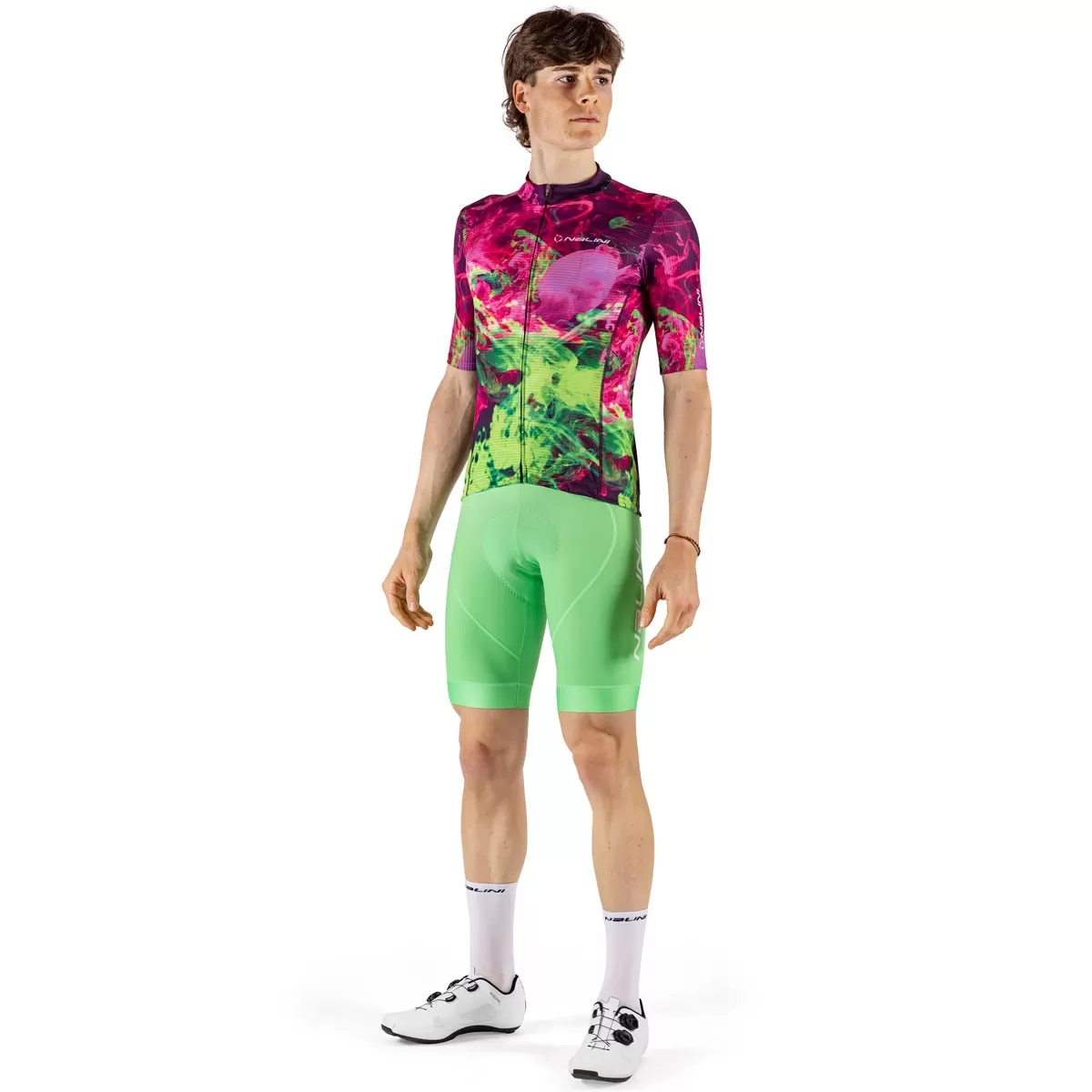
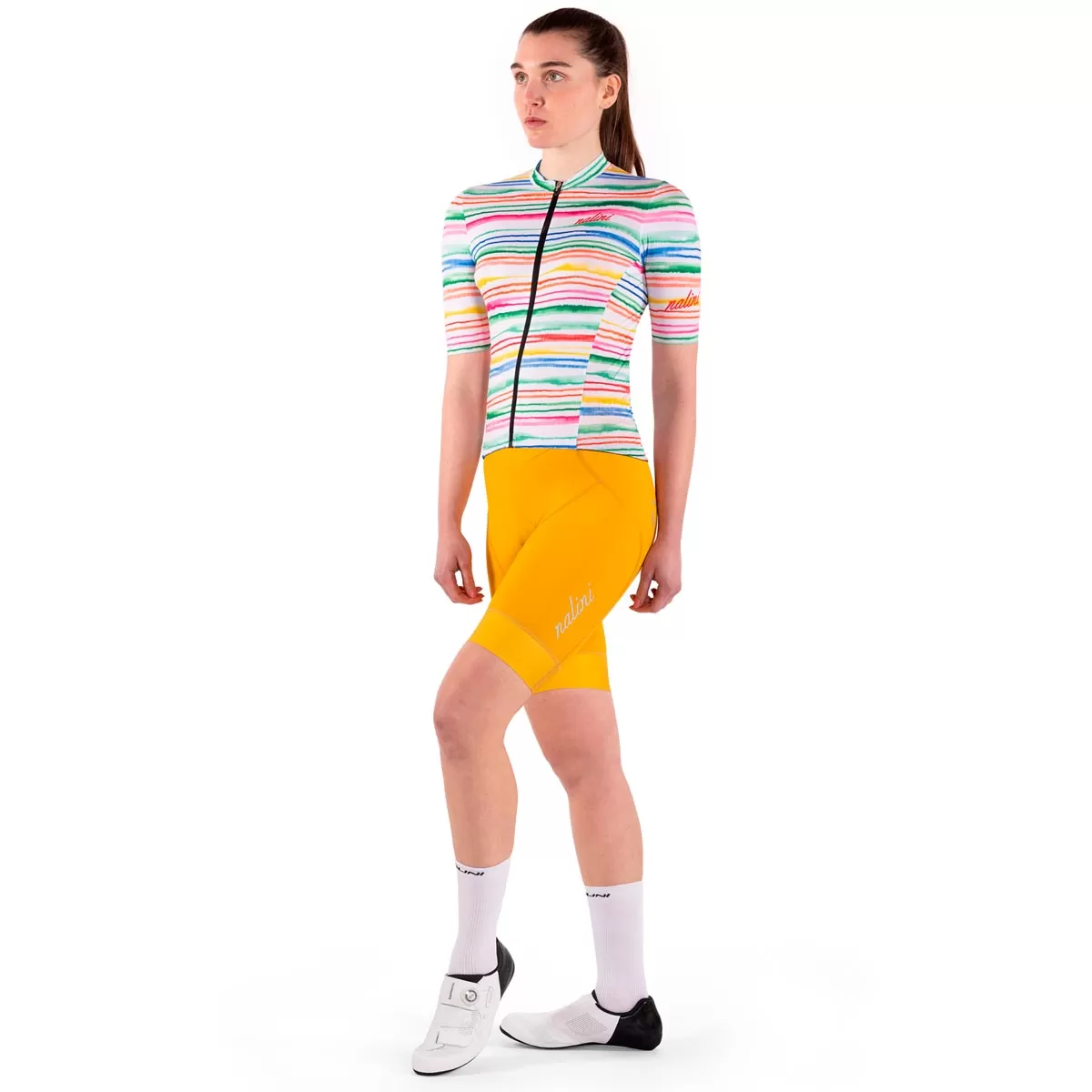
For spring outings or hot days, the Liquid Jersey is the ideal choice: lightweight and highly breathable with raglan sleeves, it is made with three different types of fabric. The front and sleeves are striped and more open knit for maximum ventilation, while the back panel is more compact piqué, which provides superior UPF protection on the back when out in the sun. All fabrics come with a quick-dry treatment to keep your body dry even in the most demanding workouts. The fluid graphics make this garment visually appealing and capable of standing out on the road.
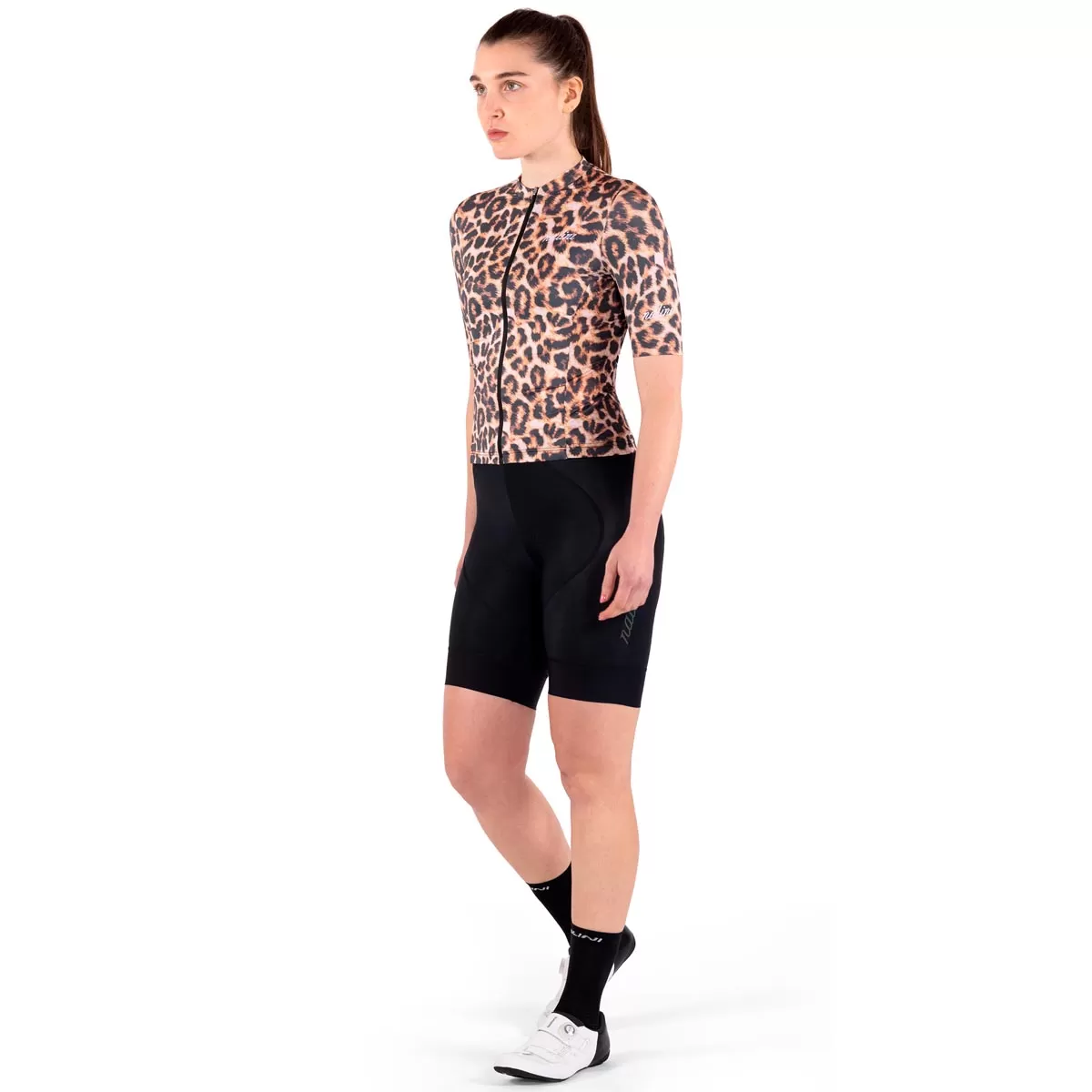
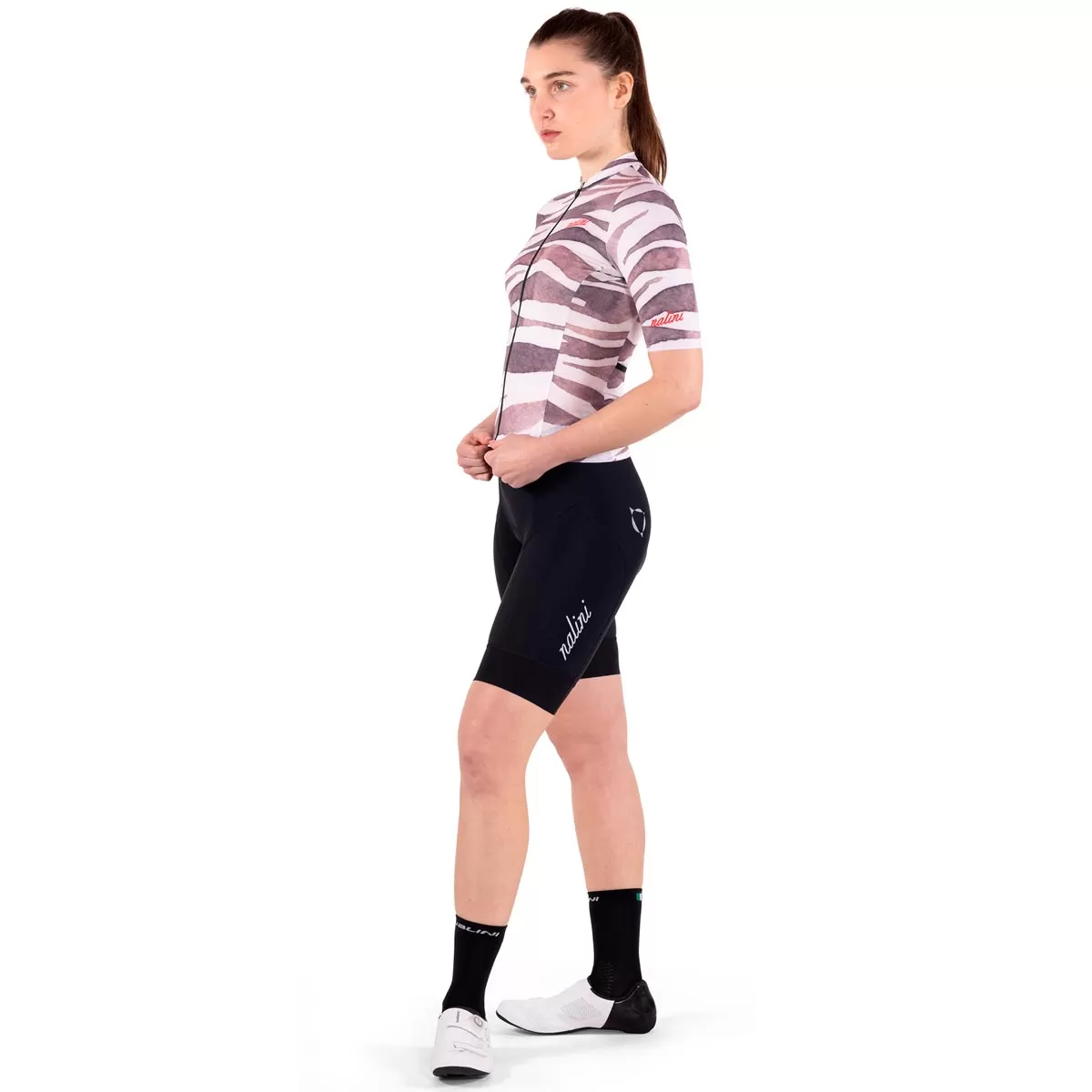
The Animal Lady Jersey, on the other hand, is perfect for cyclists who want to start cycling with a technical garment designed specifically for them. It is in fact a quick-drying microfiber summer jersey, combining lightness and breathability in an ironic and original design, because cycling is and should be fun, not just racing and performance. Sleeves with a clean-cut hem provide greater freedom of movement, while mesh side panels further improve breathability in strategic areas. The low neck of just two centimeters and the reverse YKK® camlock zipper complete a clean and comfortable fit. Three functional back pockets and the internal elastic with silicone on the bottom complete the garment. A shirt that will not go unnoticed on the road, and not only for the graphics!
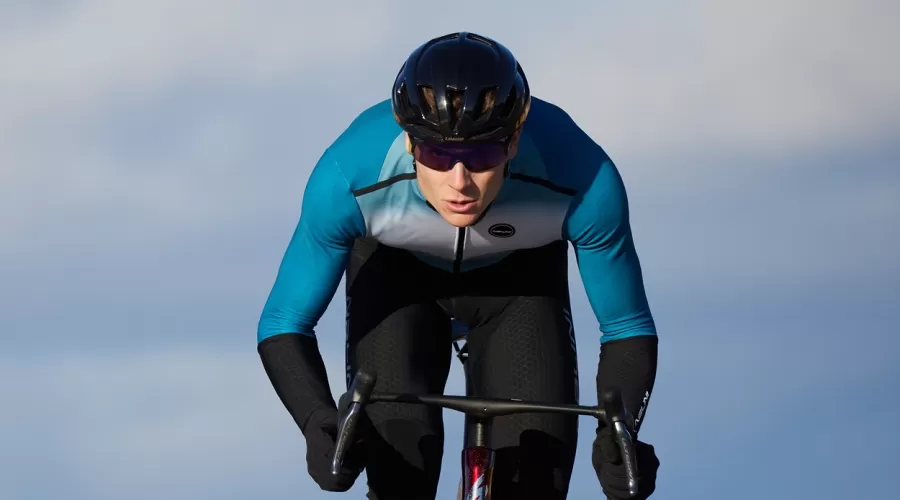
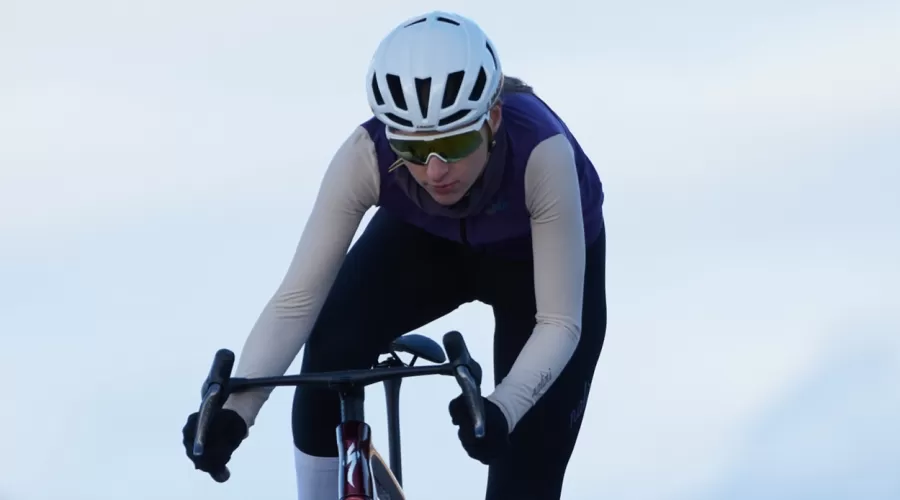
Among the essential items in the basic kit for starting to train on the bike is certainly also a windproof jacket or vest for training in the mid-seasons or cooler mornings, when temperatures change rapidly during the outing. A sleeveless vest, like the Scirocco Wind West, is the ideal garment for spring and fall: it's lightweight, rolls easily in your pocket when not in use, and protects your chest from the wind on descents. For the coldest or rainiest days, a jacket with a water-repellent treatment provides protection from the elements without sacrificing breathability. Useful accessories for first rides include cycling gloves, which are essential for protecting your hands from the cold and wind and improve grip on the handlebars, and cycling glasses, which are useful for protecting your eyes from wind, dust, and insects during rides.
Discover the Nalini collection and find the cycling garments and accessories that best suit your needs. Each garment comes from a long experience in the production of high-end cycling clothing, entirely Made in Italy to guarantee you quality, comfort and style on every type of route.


Your cart is empty
 Nalini
 The operation could not be completed





.webp)



.webp)


