Search our online catalogue
Free shipping for orders over 100,00 € | BIG SAVINGS

ITA - € EUR
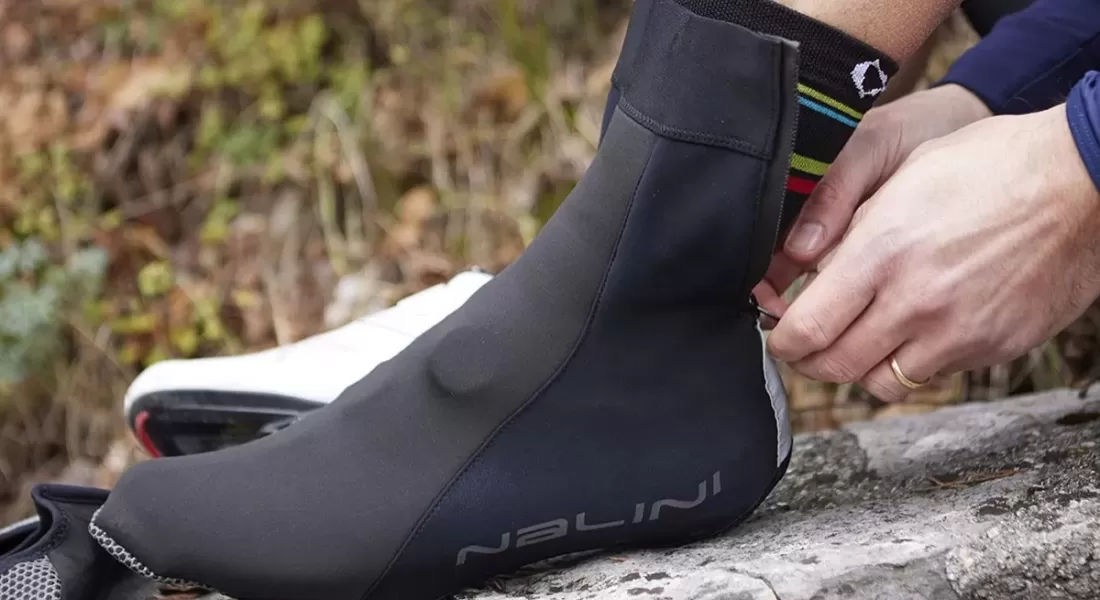
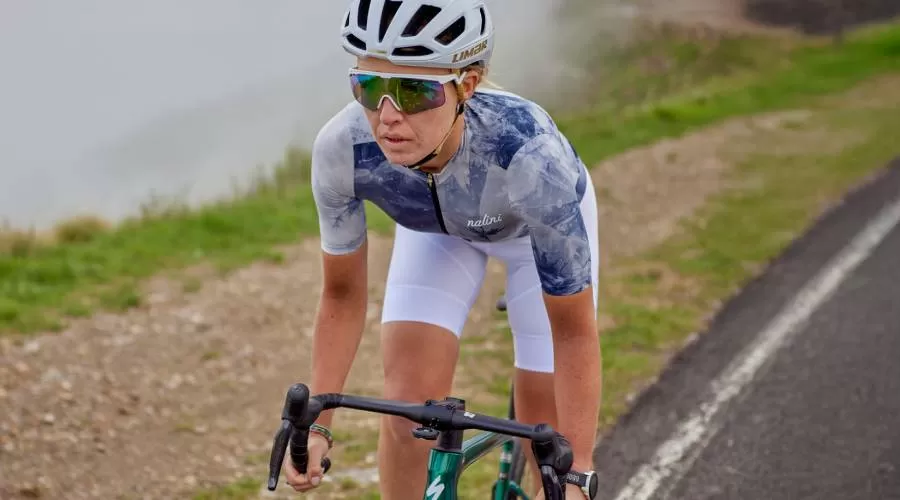
When temperatures drop and weather conditions become more difficult, protecting your feet becomes essential to continue training consistently and maintaining high performance in the saddle. Winter cycling overshoes are essential accessories in the equipment of any cyclist who doesn't want to give up training during the colder months. In fact, they allow the creation of a protective barrier that thermally insulates the feet, prevents wind from penetrating the shoes, and in waterproof models, completely blocks the entry of water and moisture.
However, not all overshoes are the same and the choice must be made carefully, evaluating various aspects. First, it's crucial to consider the temperature range: an overshoe designed for sub-zero temperatures will have completely different characteristics than a model designed for use in milder conditions. The discipline practiced also influences the choice: a cyclist who trains on the road will need lightweight, aerodynamic overshoes with thin soles, while those who practice MTB or gravel will opt for more robust models, with reinforced soles and abrasion resistance.
This guide will help you to choose the model that best suits your needs, analyzing the different types available, the best-performing materials, the technical characteristics to evaluate, and how to correctly match overshoes to your winter cycling clothing.
The feet are one of the areas of the body most exposed to the cold during bike rides. The static position on the pedals, combined with direct exposure to wind and weather, can cause rapid heat loss and compromise not only comfort but also performance and, in some cases, the cyclist's own health. When your feet get too cold, peripheral blood circulation is reduced, causing numbness, pain, and significant loss of sensation that can negatively impact your ability to effectively manage pedaling.
Using quality cycling overshoes for winter creates a protective barrier that thermally insulates the foot, blocks the passage of cold winds, and, in waterproof models, prevents the penetration of water and moisture. This protection allows you to maintain a constant and comfortable temperature inside the shoe, preserving the muscle and joint function of the foot and allowing the cyclist to focus solely on performance. Additionally, shoe covers in winter can help prevent problems such as chilblains, tendon inflammation, and other conditions related to prolonged exposure to cold.
There are different types of cycling overshoes on the market, designed to meet specific climatic and usage needs. Understanding the distinctive characteristics of each is essential to making an informed and targeted choice.
Thermal cycling overshoes are the ideal solution for cold but dry days, when the priority is to maintain body heat without necessarily worrying about waterproofing. These models are made of insulating materials and technical fabrics that are felt internally, creating an inner tube heated by body heat. Their thermal effectiveness is particularly appreciated when going out on dry routes with temperatures ranging between zero and ten degrees, where they ensure optimal insulation without causing excessive sweating.
Windproof overshoes instead focus on protecting against cold drafts that, while pedaling, can penetrate through the ventilation openings of technical shoes. Made with windproof membranes and tightly woven fabrics, they are particularly suitable for windy days in early winter or late autumn, when temperatures are not yet extremely cold but the wind factor can create a significant drop in the perceived temperature. Their light weight and snug fit also make them a versatile choice for those looking for an accessory that can be used in a variety of conditions.
When we talk about rainproof or waterproof cycling overshoes, we are instead referring to models specifically designed to deal with conditions of rain, snow or high humidity. These designs are made from waterproof membranes or fabrics with advanced water-repellent treatments, often combined with sealed seams and zip closures protected by limpets. Their ability to completely block the entry of water makes them indispensable for exits in the rain, allowing you to keep your feet dry even in the most difficult weather conditions. Many waterproof models also have thermal properties, offering complete protection that combines waterproofness and thermal insulation.
The choice of materials is an important element to evaluate when choosing shoe covers for winter because it directly impacts performance. Multi-layer technical fabrics with DWR treatment are among the most used and appreciated for their ability to combine insulating capacity and water resistance. These materials combine several functional layers: an outer layer made of durable fabric and treated with water-repellent finishes, an intermediate layer made of windproof or waterproof membranes that block wind and water while maintaining breathability, and a technical interior fleece that ensures comfort in contact with the shoe. The layered construction allows for particularly versatile overshoes, capable of adapting to different climatic conditions while maintaining an optimal balance between protection and breathability.
Waterproof and breathable membranes deserve special attention when choosing the best winter cycling shoe covers. In fact, they allow the sweat produced by the foot to escape, avoiding the accumulation of internal humidity that could compromise thermal insulation, while completely blocking the penetration of water from outside. This feature is essential for keeping your feet dry and warm throughout your bike rides, especially in conditions of persistent rain or snow.

The importance of construction details such as seams, closures and reinforcements should not be overlooked. Heat-sealed or taped seams ensure waterproofness even at the fabric joints, while zip closures protected by limpets or with waterproof sliders ensure an airtight seal. Reinforcements on the toe and under the sole protect the areas most subject to wear, significantly extending the life of the product.
Fit is another key aspect to consider when choosing winter cycling overshoes. A model that is too narrow could in fact restrict circulation, worsening the feeling of cold, while one that is too wide could create annoying creases, reduce protective effectiveness and compromise aerodynamics. Quality covershoes are designed with an anatomical cut that follows the shape of the cycling shoe, ensuring perfect grip without excessive tension points. Before purchasing, it is essential to check the available sizes and consult the guides provided by the manufacturer, also considering compatibility with any thermal insoles or particularly bulky technical socks that could be worn in combination.
An important distinction concerns the difference between overshoes for road cycling and specific models for MTB. Road cycling overshoes generally feature a lower, more aerodynamic profile, with minimal studs that do not significantly interfere with walking. Road cycling shoe covers are therefore designed with a thinner and lighter sole, often without any particular reinforcements in the support area, favouring aerodynamics and lightness. The shape is typically tapered and the coverage of the heel area is optimized not to interfere with the movement of the shoe on the pedal.
Mountain bike overshoes, on the other hand, must fit shoes with a more massive profile, equipped with important studs and soles designed for walking on rough terrain. These models typically feature a reinforced sole with abrasion-resistant inserts in the tread area, openings compatible with MTB studs, and a more robust construction. The fit is designed to accommodate the larger volume of MTB shoes, which often feature bulkier closures than street shoes.
As we've seen, purchasing the right overshoes for winter requires a careful analysis of numerous factors that, when combined, determine the product's overall performance and effectiveness. The first element to be evaluated is the quality of materials. Shoe covers made of low-quality fabrics or membranes can in fact deteriorate quickly, losing their protective properties after just a few uses and washes. Materials such as waterproof membranes and multi-layer technical fabrics with DWR treatments, on the other hand, guarantee high performance and long life over time.
In addition to this aspect, before purchasing it is also important to evaluate:

Nalini overshoes combine performance, comfort and high-quality materials. Each model is developed with the goal of providing maximum weather protection without compromising functionality and fit, using fabrics with carefully selected and tested windproof and DWR treatments even in the harshest weather conditions.
AHS Criterium overshoes are the ideal solution for those looking for versatile and high-performance waterproof cycling shoe covers for winter days in temperatures between 6° and 12°. This model uses Mantotex technical fabric with anti-water coating and WR treatment (Water Resistant) which effectively blocks rain and splashes of water, keeping your feet dry when going out in variable weather conditions.
The slim fit ensures a perfect fit to the shoe, eliminating annoying creases and optimizing aerodynamics, a feature particularly important for performance-conscious cyclists.
The coated zipper makes it easy to fit and prevents water infiltration, while the Velcro closure at the ankle allows for personalized adjustment and an optimal fit that adapts to different shoe and trouser shaft conformations. The reflective rear insert significantly increases visibility in low-light conditions, contributing to safety when going out in the winter months.


For those seeking maximum thermal protection to tackle the harshest conditions, the B0W 3D Winter overshoes represent excellence in the winter cycling shoe cover category. Designed for temperatures ranging from -4° to 4°, they feature an innovative 3-layer construction with technical membrane and DWR treatment (Durable Water Repellent) on the external inserts, which ensures long-lasting waterproofness and total protection from rain, snow and humidity. The windproof 3D fabric center insert effectively blocks cold drafts that could penetrate the shoe while pedaling, preserving body heat even on the coldest descents.
The 3-layer construction technology combines a durable, fully waterproof exterior with high-quality internal thermal insulation, keeping your feet warm even when temperatures drop below freezing. The YKK flash features a rain coating that prevents water from seeping through the closure, while the internal protective flap creates an additional barrier against the elements. The refractive garage zip not only protects the zipper but also increases visibility, as does the strategically placed refractive insert on the heel.
The lower part of the shoe cover has been reinforced at the contact points ensuring maximum strength and durability over time. The B0W 3D Winter Cover Shoes are therefore the ideal choice for the most demanding cyclists who regularly tackle long winter rides in harsh weather conditions, for those who live in areas characterised by particularly cold winters, and for anyone who does not want to give up road training even when the thermometer reads temperatures below freezing.
Overholes are only part of the equipment needed to face winter in the saddle in maximum comfort and protection. To ensure optimal performance in all climatic conditions, you will also need to equip yourself with other equally important technical accessories. Nalini offers a full range of cycling accessories specifically designed for workouts and outings in the winter months, to protect every part of the body exposed to cold and weather and best cope with any condition.
Thermal and waterproof cycling gloves to keep hands warm and excellent grip on the handlebars, underhelmets and caps in breathable fabrics to insulate the head without sacrificing comfort, neck warmer to protect you from wind and cold, leg and arm warmers for modular protection adaptable to temperature variations during the ride: each Nalini accessory is developed with the utmost care and attention to detail, using innovative materials and cutting-edge technologies.
Discover all Nalini cycling accessories and complete your equipment to ride in maximum comfort even in the coldest months!


Your cart is empty
 Nalini
 The operation could not be completed