Search our online catalogue
Free shipping for orders over 100,00 € | BIG SAVINGS

ITA - € EUR
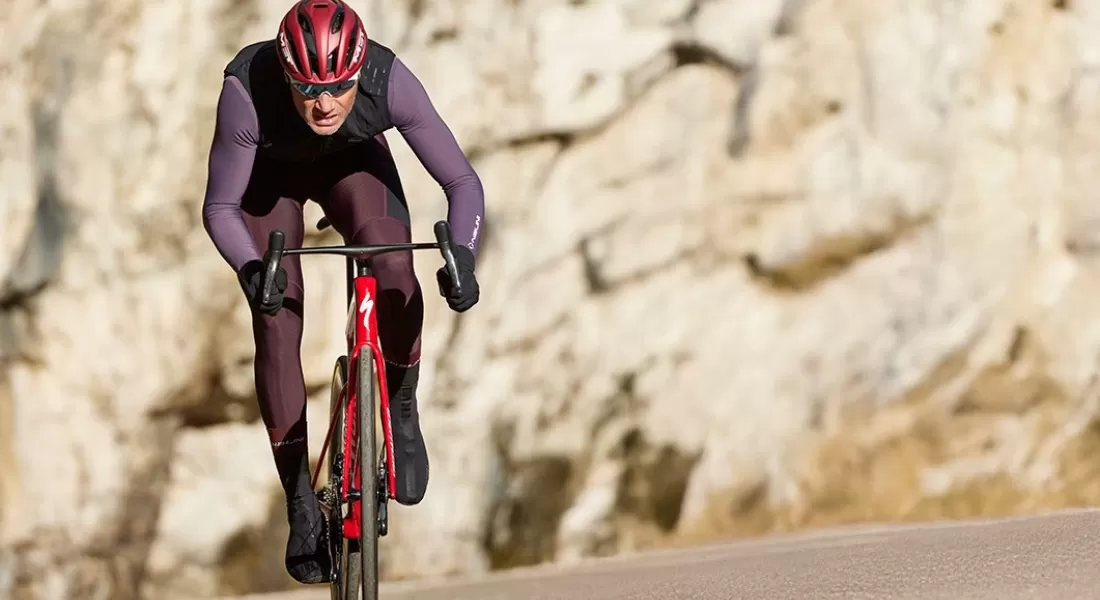
When temperatures drop, choosing the right cycling gear becomes essential to continue training in maximum comfort and safety. Cycling tights are an indispensable piece of every cyclist's wardrobe during the winter season. In the colder months, muscles are exposed to a dual risk: on the one hand, the cold can compromise their efficiency, on the other, prolonged exposure to cold temperatures significantly increases the risk of muscle trauma, contractures, and injuries.
Like any technical manager, the choice of cycling tights must also be made carefully, taking into account various aspects, first and foremost the type and quality of the materials. Inadequate fabrics may in fact not ensure sufficient thermal insulation, or, on the contrary, overheat and make the legs sweat excessively. The weather conditions in which you regularly ride, the intensity of your training, the duration of your outings, and your individual physical characteristics are also important factors to consider before purchasing.
Let's take a look at all the useful tips for choosing the winter cycling tights that best suit your needs, what features they should have, and a selection of the best Nalini products for tackling your bike rides in any condition.
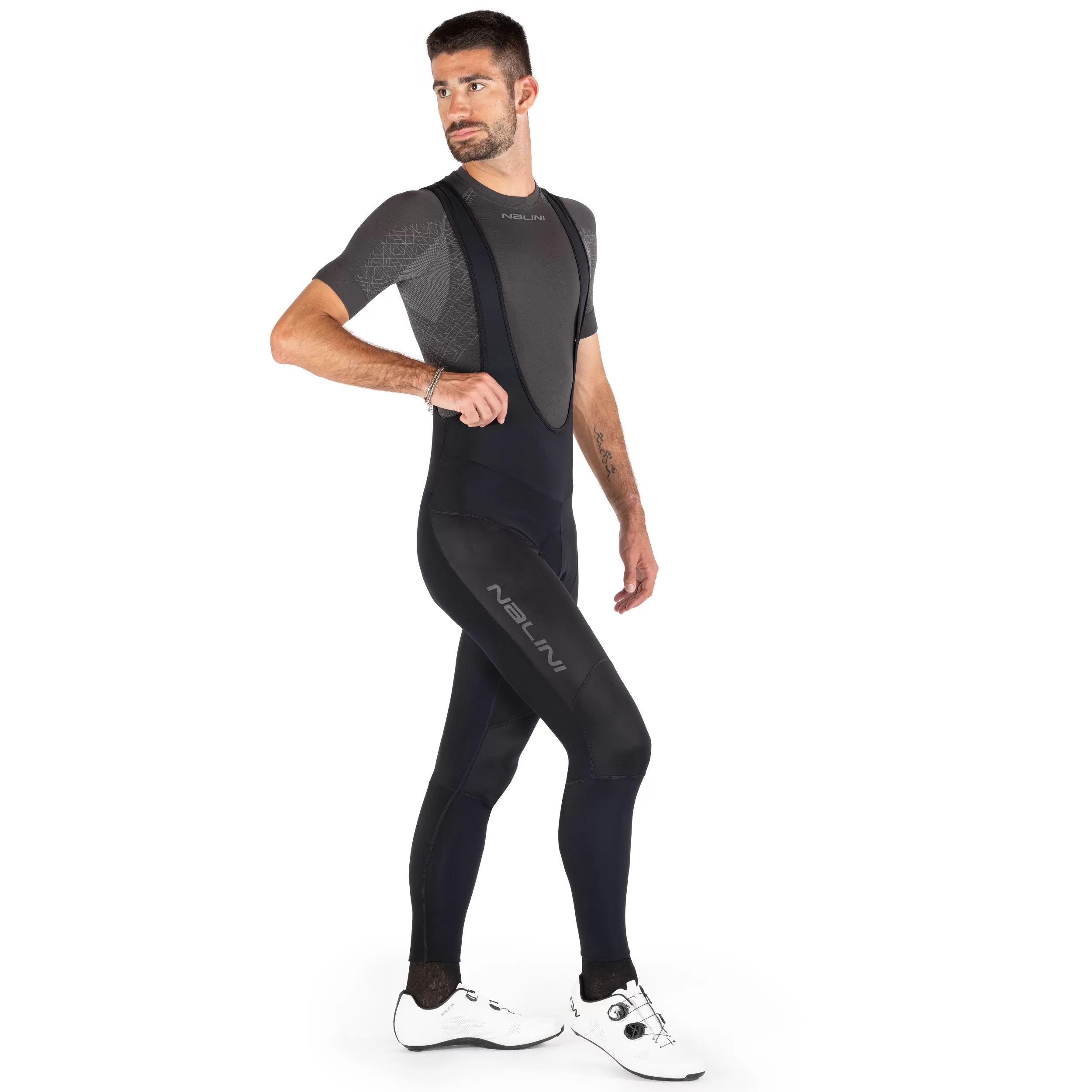
One of the first things to consider before purchasing cycling tights is whether or not they have suspenders, a feature that can affect comfort, practicality, and performance. Cycling bib tights represent the most technical and suitable solution for cyclists who have to face training or long road trips and who aim for performance. In fact, the suspenders ensure that the garment always remains perfectly in position during pedaling, eliminating any pressure on the abdominal area and ensuring a good level of comfort even after hours of activity.
The main advantage of braces lies in the distribution of weight and tension. While tights without suspenders must rely on the elastic waistband, which inevitably puts pressure on the abdomen, suspenders unload everything onto the shoulders, leaving the stomach area free. This aspect becomes particularly important during intense efforts or on long exits, when the presence of pressure points could cause greater discomfort. Furthermore, the absence of an elastic waistband eliminates the risk of the tights slipping down while pedaling, especially when tackling challenging climbs where the body position is constantly changing.
The suspenders of quality cycling tights are made of elastic and breathable materials, often mesh to ensure ventilation in the shoulder and chest area. Some models may feature wider braces to better distribute the load, while others opt for thin braces but with elasticity designed not to create pressure points. The shape can be Y-shaped, with the suspenders joining on the back before continuing as a single band, or H-shaped with two separate suspenders running parallel along the back. The latter configuration generally offers greater stability but requires a more precise fit.
One aspect that many underestimate is the additional thermal protection offered by the abdominal portion of bib tights. This high area, which covers part of the back and abdomen, creates an additional barrier against the cold right in one of the most sensitive areas of the body. During winter descents or windy days, the lower back is particularly exposed to cooling, and the extra protection provided by braced tights can make a substantial difference in overall comfort.
Tights without suspenders, on the other hand, are more practical when stopping, a significant advantage for those who go on long trips with frequent breaks. Dressing and undressing is undoubtedly quicker and does not require removing the suspenders, a comfort factor especially appreciated on very cold days when you want to minimize the exposure time. It is essential to check that the waist is equipped with a quality elastic band, wide enough to ensure comfort without overtightening. The best rubber bands use internal silicone to increase grip and prevent slipping without having to resort to excessive tension.
As for women's cycling tights, the best models - such as those proposed by Nalini - are designed with a specific design, which takes into account female anatomical differences and specially shaped panels. The bottoms also feature geometries and densities designed for female anatomy, with different widths and shapes to accommodate differences in pelvis shape and weight distribution in the saddle. In women's tights, the suspenders have configurations designed not to interfere with the upper clothing and still guarantee freedom of movement, without excessively compressing the chest.

Not only cold, but also wind, rain, and adverse weather conditions can impact comfort and performance during winter outings if not addressed with adequate protection. Some models of thermal cycling tights integrate membranes or windproof treatments in the most exposed areas, particularly on the front of the thighs and knees. These inserts, made from advanced technical materials, are able to block wind and water that would otherwise penetrate through the fabric, causing rapid cooling of the body.
Wind protection is particularly useful during descents, when speed amplifies the effect of the wind, or on windy days, especially if the route is exposed and without natural barriers. It is important that the windproof inserts still maintain a good degree of elasticity so as not to compromise freedom of movement during pedaling.
Water repellency is an additional layer of protection. Cycling tights made with DWR (Durable Water Repellent) treatments applied to fabrics are ideal for winter outings in variable conditions or in areas characterized by a humid climate, because they ensure a good level of protection from water, humidity and splashes coming from the wheels.
The distinction between water repellency and waterproofness is fundamental. A waterproof fabric completely blocks the passage of water but also ensures less perspiration, making it unsuitable for a technical garment that must promote the evaporation of sweat produced during physical activity. A water-repellent fabric, on the other hand, slows water penetration while maintaining breathability, offering sufficient protection to deal with situations with rain or moderate humidity.
As we have seen, the best cycling tights for winter must guarantee thermal insulation, freedom of movement, ergonomics and constant breathability. Nalini models are designed to best combine these features: they stand out for the use of advanced technical fabrics, capable of combining cold protection and humidity management, along with latest-generation casebacks designed to offer comfort even over long distances. The attention to design, minimalist, functional and designed to perfectly follow the anatomy of the cyclist, is combined with precise construction, with flat or heat-sealed seams to eliminate irritation and increase freedom of movement.
The Freedom Bib Tight is among the best models for winter, designed for those seeking maximum protection and versatility when going out in variable weather conditions. Its distinctive element is the fully assembled structure with flat lock seams, designed to avoid chafing and offer a feeling of total freedom. The elasticized thermal fabric ensures excellent thermoregulation, keeping the rider warm even when temperatures drop significantly, while the DWR treatment creates a barrier against rain and humidity without compromising transpiration.
The tights feature two side pockets, useful for small items, and a warm mesh on the back that stabilizes the top during longer rides. The thermoformed pad with high density foams distributes pressure evenly, ideal for those facing demanding sessions, while the use of a recycled elastic fabric testifies to the commitment to sustainability, without compromising performance.
The New Ideal Bib Tight, on the other hand, represents the ideal choice for those who want an essential garment oriented towards maximum performance. Its construction with few cuts and seams and the use of innovative materials make it an extremely clean tights in design but technically evolved. Super Roubaix fabric, warm and stretchy, offers excellent thermal protection while maintaining superior comfort and natural grip to the body, while the “microfresh” top fabric maximizes breathability, promoting optimal humidity management even during the most intense outings.

The seamless laser-cut bodice eliminates pressure points and adheres perfectly to the body, while the bi-elastic anatomical case back ensures adequate support over long distances. Functional elements such as tone-on-tone refractive logos improve visibility on the darkest days, while the comfort stretch elastic leg-bottom keeps the tights always stable even during the most dynamic efforts. The result is a garment that manages to combine performance, comfort and style.


Your cart is empty
 Nalini
 The operation could not be completed