Search our online catalogue
Free shipping for orders over 100,00 € | BIG SAVINGS

ITA - € EUR
Cycling in winter requires adequate equipment, which allows you to face the cold and pedal in maximum comfort even on days with colder temperatures or in adverse weather conditions. To ensure the right protection and adequate thermoregulation you will have to start from the first fundamental layer, to be worn directly in contact with the skin: the thermal underwear. During intense physical activity, such as road or mountain biking, the body produces a large amount of heat and sweat, which, if trapped or not managed properly, can cool on contact with the skin and cause a rapid drop in body temperature. This effect is even more marked when pedaling in windy conditions, where the so-called “wind chill” further lowers the perceived temperature.
In these cases, therefore, a good baselayer can make a difference: it transports moisture outward, promoting perspiration and preventing sweat from remaining on the skin. It also creates a thermal barrier that helps keep body heat constant. To choose the best thermal underwear, you will need to take into account some key factors, including the type of material, breathability, heat capacity, fit, but also several other aspects.
In this short guide we offer you all the useful tips to choose the right cycling winter base layer and ensure a good level of protection, comfort and performance even in the coldest seasons.
As we've seen, the choice of base layer, or thermal underwear to wear as the first layer during winter outings, is essential to ensure comfort, protection, and performance during the cold season. Good thermal underwear must be designed to meet very specific needs: maintaining body heat, managing sweating, ensuring maximum freedom of movement, and adapting to climate variations. To choose the perfect base layer, you will therefore have to consider several factors, each of which directly affects the garment's performance and your riding experience:
The length of the sleeves of the cycling base layer is a choice that must take into account several factors, such as outside temperature, training intensity, personal preferences and characteristics of the other layers that will be worn on top. Long-sleeved base layers are the best and most versatile solution for the winter season. In fact, they ensure complete coverage of the torso and arms, ensuring uniform insulation and avoiding annoying contact areas between the different layers, which could create tissue buildup or rubbing points. They are therefore ideal for particularly cold temperatures or for long-lasting rides where thermoregulation must be constant.
Short-sleeved base layers are best suited on cooler days or for cyclists who tend to warm up quickly during exertion. In fact, they allow greater freedom of movement at shoulder level and are less bulky when wearing multiple layers. They are particularly suitable for those who practice particularly intense disciplines such as cyclocross or for those who train with high-intensity sessions even in winter.
Sleeveless models, on the other hand, are useful in mid-seasons or in particular situations. Some athletes prefer them because they focus thermal insulation on the core of the body, leaving the arms freer and with less tissue clutter. This solution can be successful when combined with technical cycling jackets, which already provide complete arm protection, avoiding excessive overlap that could limit mobility or cause overheating.

Choosing the right cycling underwear requires careful analysis of the conditions under which it will be used. In fact, there are no universally suitable garments for every situation, but rather specific solutions for different needs. The outside temperature is obviously the first aspect to consider. With temperatures between 10 and 15 degrees, a lightweight base layer may be sufficient, especially when combined with a mid-layer cycling jersey and a windproof jacket or vest. Going below 10 degrees, you need to instead orient yourself towards fabrics with higher thermal density, with possible fleece or merino wool inserts in the areas most exposed to the cold. For near-zero or sub-zero temperatures, more technical models involve multilayer constructions with internal membranes that create an insulating layer of air held between the fibers.
Training intensity is a key factor in choosing the best clothing. During quiet outings at not too high rates, the body produces relatively little heat and sweating remains contained: in these cases, it is preferable to prefer thermal insulation, opting for warmer materials even at the expense of lower breathability. Conversely, intense training sessions, with pace variations and challenging climbs, require winter cycling underwear with high humidity management capabilities, although this results in less thermal insulation.
The discipline practiced is another factor that affects the choice. Road cycling, with its long, high-speed descents, exposes the body to considerable wind chill, which requires particularly protective base layers that are effective at retaining heat. Mountain bikers, who use more dynamic movements and slower-speed sections, will instead need garments with greater elasticity and breathability. Gravel, which combines elements of both disciplines, requires balanced solutions capable of adapting to variable conditions.
Nalini cycling underwear is the result of a perfect balance between advanced materials, ergonomic design and a careful analysis of cyclists' needs. Our thermal underwear garments are designed to improve performance, increase comfort and provide maximum protection even on the coldest days. They stand out for their latest-generation technical fabrics, carefully selected for their ability to offer thermoregulation, optimal breathability and rapid drying.
Wool models, often combined with synthetic fibers such as polyester or polyamide, guarantee excellent insulating capacity without sacrificing lightness. Underwear is distinguished by its anatomical fit and seamless construction, designed to perfectly adapt to body shapes. They are designed to be snug but not constrictive, ensuring total freedom of movement and no chafing, even after many hours in the saddle.
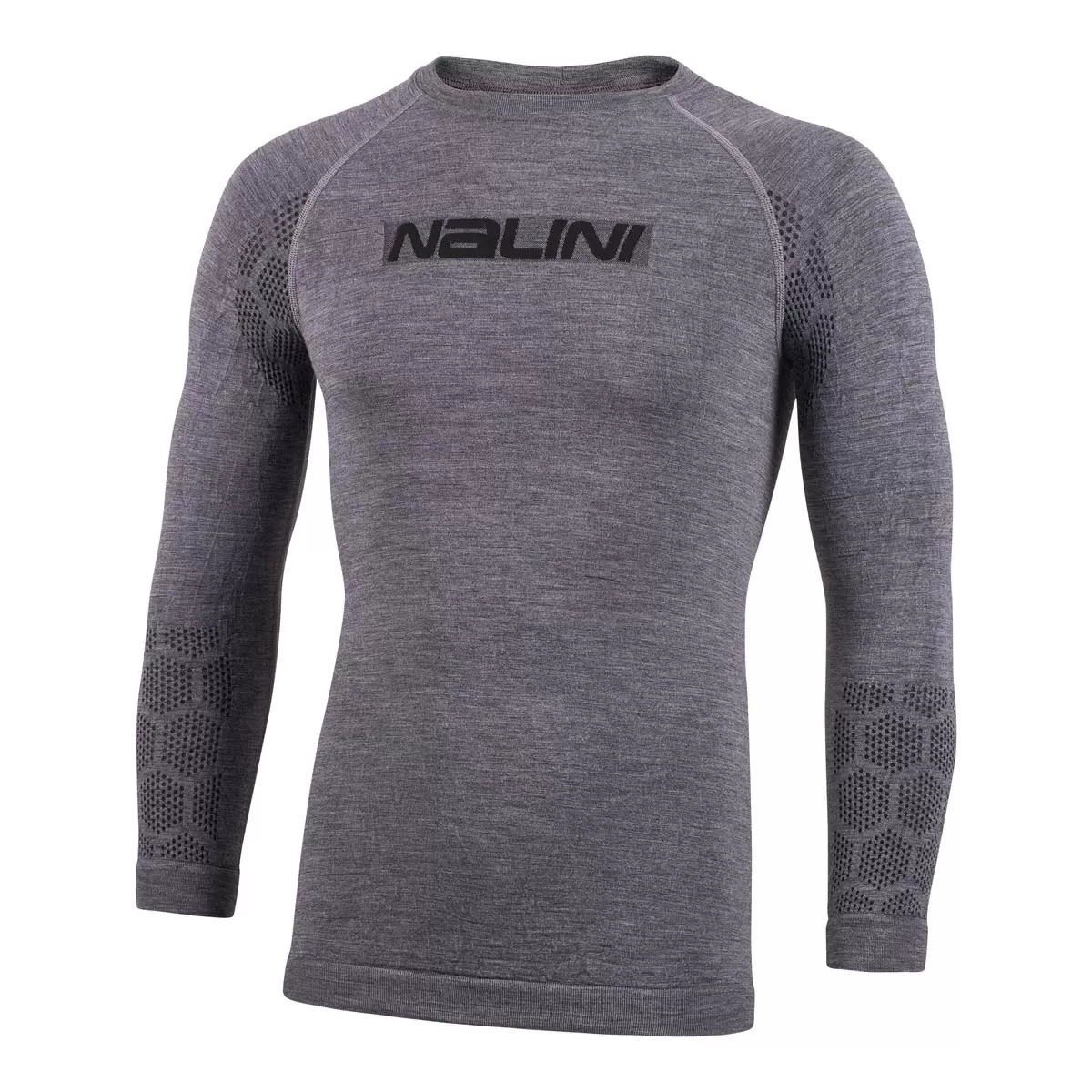
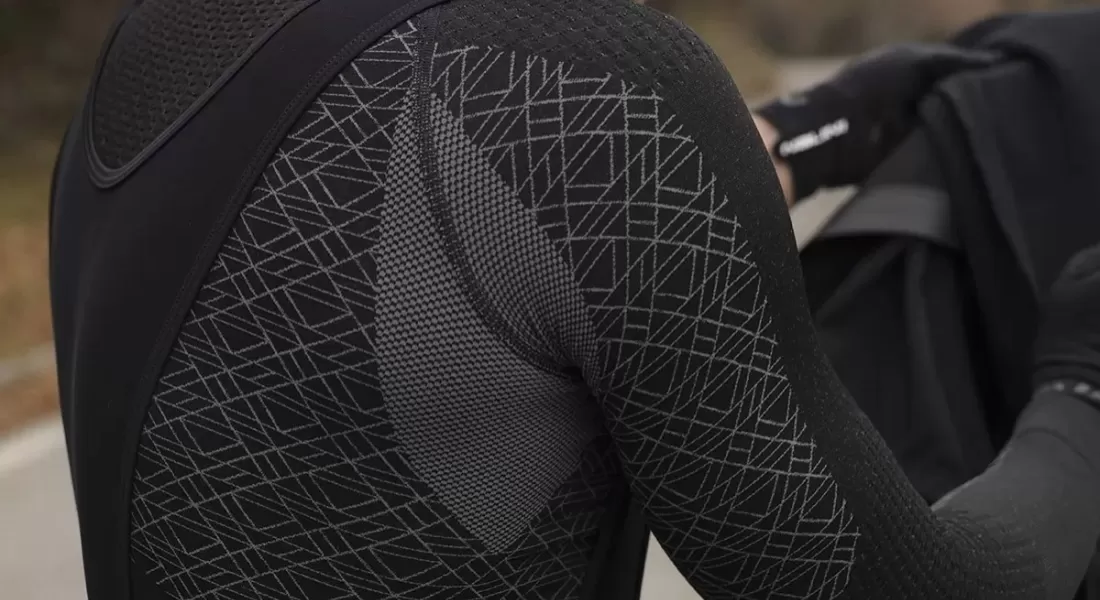
Some models - such as the Seamless Tech LS jersey - feature a differentiated fabric processing: they are equipped with reinforcements in strategic areas, which improve muscle support and optimize thermal insulation, providing extra protection in areas most exposed to the cold. At the same time, they feature lighter, more perforated areas, designed to promote targeted ventilation and improve body temperature regulation.

In terms of performance, Nalini thermal underwear is designed to ensure high performance in all conditions. Whether it's an intense road training session, a long gravel ride in the snow, or a leisurely winter bike ride, base layers act like a second skin, keeping body temperature stable and improving moisture management at every stage of the effort. Thanks to the quality of the fibers and antibacterial treatments, they maintain their characteristics unchanged even after numerous washes. Furthermore, their low weight makes them easy to layer, combining them with thermal or windproof jackets without clutter or movement limitations.
Among the best thermal winter cycling jerseys we also find the Underwear Wool LS, the ideal choice for cyclists seeking the perfect balance between heat and active humidity management. This garment was born from the studied combination of wool and polyamide, two materials that work synergistically to offer superior performance compared to using a single fiber. Wool provides the heat and heat-regulating ability that only natural fibers can provide, making the knit perfect for tackling colder days without the risk of overheating during intense exertion. Polyamide, on the other hand, provides optimal breathability and ventilation, improving the feeling of dryness on the skin and promoting the rapid evaporation of sweat even when the pace gets strong.
The seamless construction ensures a perfect fit, freedom of movement and support even during the most intense activities, eliminating the friction points typical of traditional jerseys. Breathable inserts placed at strategic points further optimize thermal management, concentrating ventilation where the body needs it most. Flatlock seams, used only where strictly necessary for assembly, eliminate friction and ensure greater freedom of movement without compromising the structural integrity of the garment.
Discover Nalini winter cycling clothing: from thermal underwear to the most technical jackets, in our online shop you will find all the necessary pieces to create your ideal outfit and make the most of your winter outings.


Your cart is empty
 Nalini
 The operation could not be completed