Search our online catalogue
Free shipping for orders over 100,00 € | BIG SAVINGS

ITA - € EUR
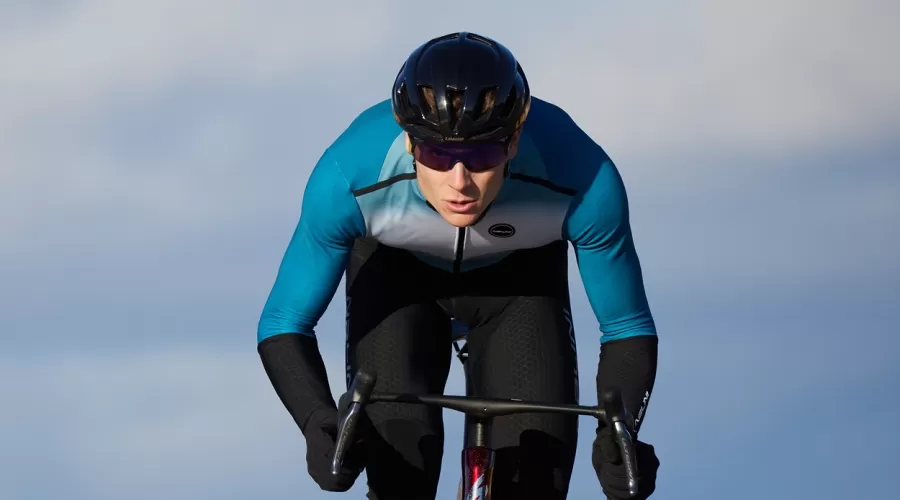
When it comes to technical cycling clothing, the vest represents one of the most versatile and functional garments. Whether on road trips, dirt or urban routes, this lightweight and compact garment proves essential to better cope with climate variations and maintain an optimal level of comfort on the bike. Unlike a full cycling jacket, the vest focuses protection on the torso area, where proper temperature management is essential for performance, both on quieter rides and during more intense workouts.
This makes it an indispensable garment in different seasons, from cool spring mornings to autumn days characterized by variable temperatures, up to winter outings, when used as an intermediate layer. A good windproof vest therefore represents a garment that absolutely cannot be missing from any cyclist's sports wardrobe: both the beginner who faces the first long rides and the professional engaged in intense daily training.
As with any technical head, the wind vest must be chosen carefully, paying attention to materials, construction, fit and functionality, but also to several other aspects. Let's see together when it can be useful to wear a cycling vest, how to use it in the right way and the main aspects to consider when purchasing the most suitable model.
A windproof cycling vest is distinguished by a series of technical characteristics that determine its performance and versatility of use. Knowing these elements before purchasing will allow you to make a careful and informed choice, and orient yourself towards products that best meet your needs. Here are the essential features that a good cycling vest should have:
As we have seen, the windproof cycling vest is one of the most strategic garments for those who cycle throughout the year because it can be used in different seasons and, in general, in all those situations where the external conditions change rapidly. Unlike cycling jackets, it is designed to ensure targeted protection on the torso, the part most exposed to the wind while pedaling, leaving the arms free and ensuring maximum freedom of movement. This makes it ideal in contexts where complete insulation is not required but it is essential to avoid heat loss generated by contact with cold air.
The windproof vest can be especially useful in spring and autumn, when temperature changes between the early morning, afternoon and evening hours can be significant. It is perfect for bike rides at dawn or dusk and becomes indispensable on descents, a time when the sweat accumulated uphill can quickly cool the body. In summer it can be used instead for long descents or exits in very breezy areas.
In winter, it can be worn as an additional layer over technical underwear and a thermal shirt: it does not replace the winter jacket but can still provide good protection from air and humidity.
In road cycling, the windproof vest is essential for those who tackle long exits or hilly and mountainous routes. It is worn at the start when the air is still fresh, it is removed during the climb and is put back down. Thanks to its snug fit and minimal bulk, it does not hinder movement and can be easily stored in the back pockets after use.
In gravel, however, where technical sections, challenging climbs, fast descents and forest routes often alternate, the vest becomes an extremely useful layer to best deal with climate changes and temperature changes. It protects against the wind in the most exposed areas, helps keep the body dry and warm during the inevitable changes of pace and allows you to adapt to different microclimates, even during the same outing.

To choose the best wind vest for your outings, you'll need to carefully evaluate several aspects to find the model that truly meets your needs. First, think about the season you'd like to use it in: for winter, you'll need a heavier, more thermal, and insulating vest, with protective materials and perhaps a hooded interior to retain heat. If you're looking for a style to use primarily in summer or mid-season, opt for a lightweight, breathable, and easily foldable vest.
Then think about the type of use: for road workouts, it's best to prefer a slim, highly protective vest, ideal for descents and pace changes; for gravel, you might prefer a more sturdy and versatile piece. For urban travel, however, the aspect that matters most is the practicality and ease with which you can wear it over any outfit.
Don't forget versatility: a vest you can use in many situations-on cool spring mornings, during descents or longer outings, or simply on days with uncertain weather-can become a valuable ally. Finally, always consider your personal needs: if you suffer from the cold, opt for a more protective vest; if you overheat easily, choose a model with breathable panels; if you need extra space, opt for models with multiple pockets.
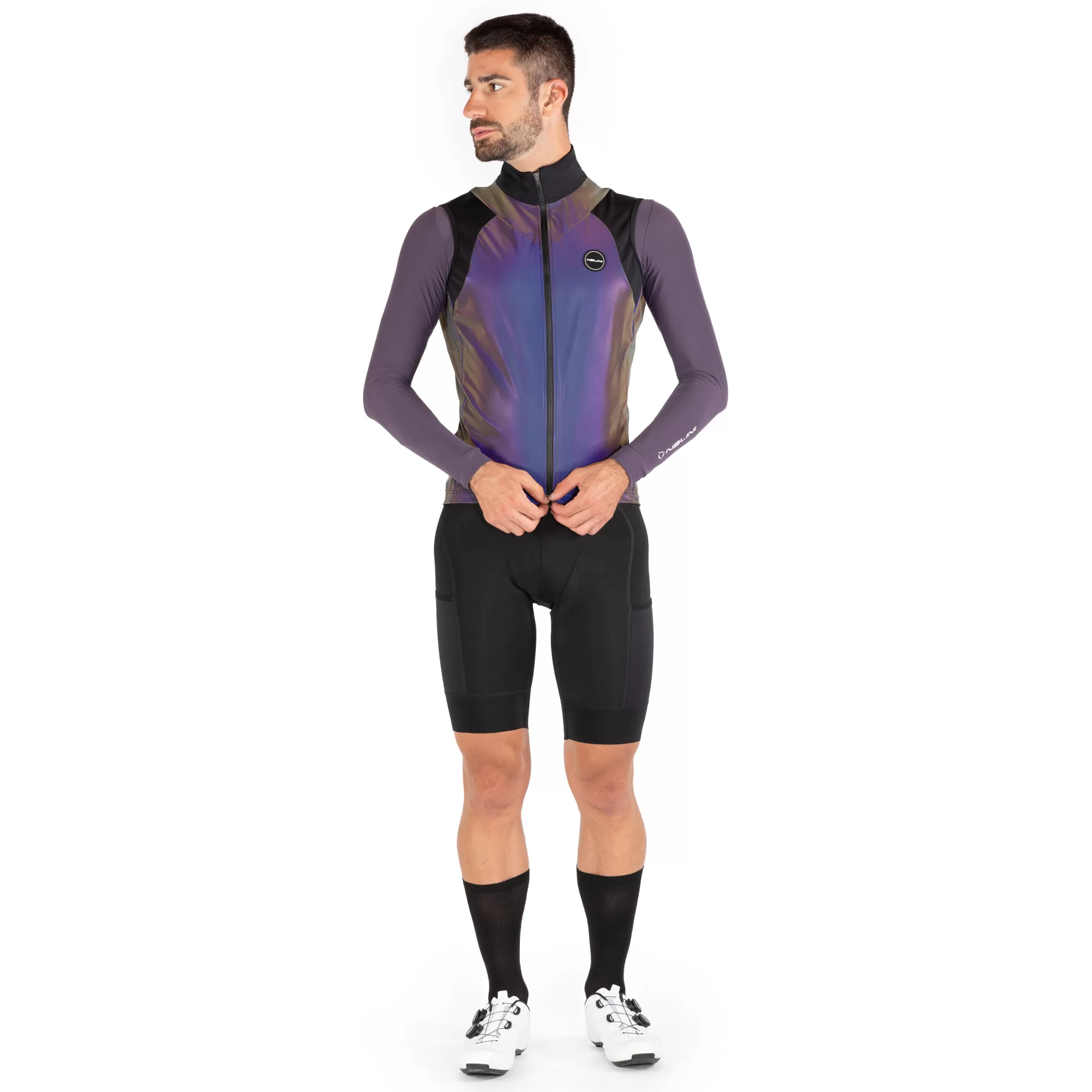
Nalini windproof vests are the ideal choice for all cyclists looking for high-performance products made from advanced technical materials, combining wind protection, breathability, comfort and practicality. Each model was created to meet specific needs: from ultralight and packable vests perfect for mid-seasons, to thermal and more structured versions designed for cooler and windier days. Details such as ergonomic zips, stretch panels, windstopper fabrics, and reflective systems increase safety and enhance the riding experience, turning the vest into an indispensable ally year-round. Among the best models available we find:
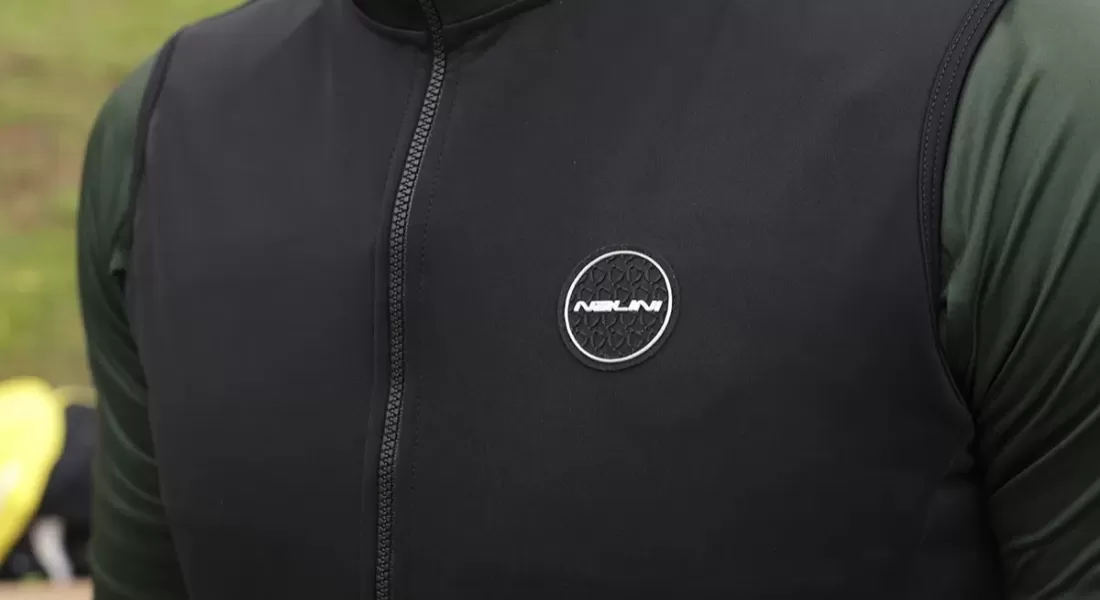
The Texas Vest is one of the most advanced windproof vests in the Nalini range, designed for cyclists who want to maximize protection, thermal regulation and freedom of movement. Made of windstopper fabric, it ensures an effective wind barrier while maintaining an excellent level of breathability, ideal for fast-paced rides or for routes with variable weather. Available in different color variations, it allows you to create coordinated and characterful outfits, without sacrificing technical quality.
One of its distinctive elements is the double-slider YKK® hinge: thanks to the opening from both the top and bottom, you can modulate ventilation with extreme precision, promoting heat escape during intense efforts or completely protecting yourself when the temperature drops. The mesh back panel increases breathability and gives elasticity to the garment, improving the fit and ensuring total freedom of movement. Designed for maximum convenience, the Texas Vest integrates two side openings that allow immediate access to the pockets of the jersey underneath, without having to remove the vest: an extremely useful solution for grabbing snacks, gels or personal items while pedaling. The collar with elastic insert protects against air infiltration, while the bottom with silicone elastic keeps the vest perfectly in place, even at high speeds.

Lightweight, compact and high-performance, the Scirocco Wind vest is designed for all cyclists who want a windproof vest that is easily transportable and always ready to use. Made of ultralight windproof fabric, it offers effective protection on the front of the torso, keeping body temperature stable during spring and autumn outings. Its intelligent design ensures an excellent balance between protection and breathability: the side panels and the underarm insert are made of lightweight stretch fabric, which promotes ventilation and improves fit, reducing the feeling of warmth and allowing natural movements.
Designed for practical use in any situation, the vest features a front zip with extended pull and drawstring, which makes it easy to open even with gloves, and an internal windproof flap that prevents cold weather from seeping in. The elastic bottom ensures stability and grip, while high-visibility refractive logos increase safety. The Scirocco Wind Vest is ideal for those looking for a versatile, lightweight and high-performance vest, perfect for road cycling, gravel or long rides where quick adaptation is essential.
The HP Embossed Vest is designed for winter outings in mild conditions, when you need a medium-thick garment, warm but not excessively heavy. Its distinctive feature is the unique embossed design on the padded surface, which not only gives the garment an elegant and refined look, but also contributes to its windproof and thermal properties.
The stretch fabric back panel improves breathability and ensures an ergonomic fit, following body movements without forcing. The HP Embossed Vest also features the new ICE KEY DEVICE, designed to offer additional features (such as identification or access to information via digital tag), making the garment even more modern and complete. Visually impactful, functional and designed for practical use on cool days, it is the ideal choice for those who want a thermal and high-performance vest, suitable for winter outings.
Do you need further advice to choose the right cycling vest for you or would you like more information on the available models?


Your cart is empty
 Nalini
 The operation could not be completed