Search our online catalogue
Free shipping for orders over 150,00 € | BIG SAVINGS

DEU - € EUR
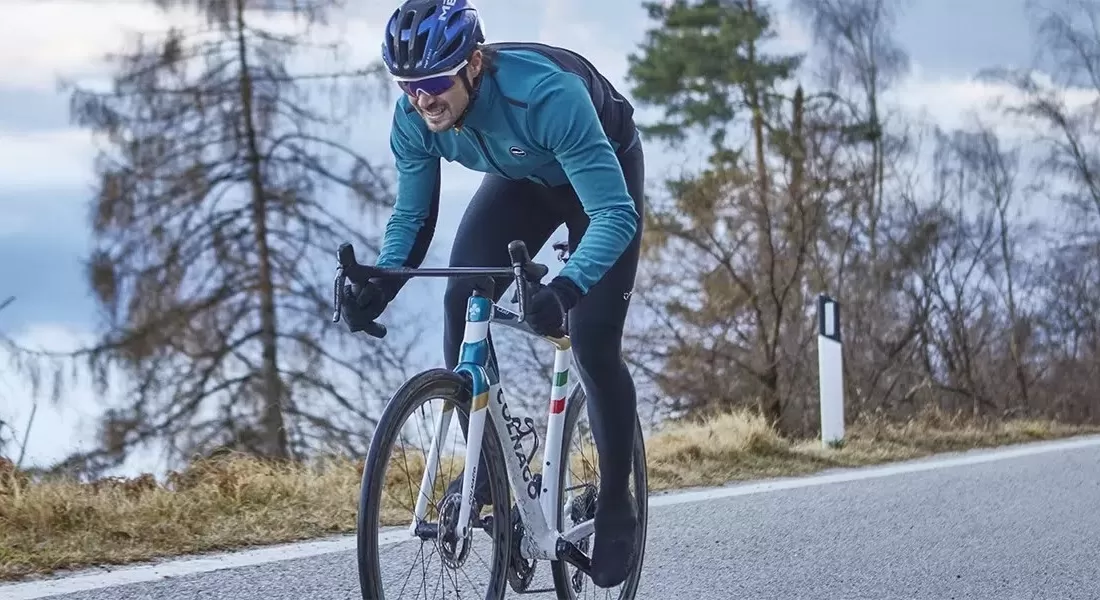
In case of rain or adverse weather conditions, choosing the right cycling jacket is essential to ensure the right level of comfort and protection. Buying a rain jacket requires special attention to several factors that go far beyond simple waterproofness: it's about finding the right balance between weather protection, breathability, ergonomic fit, weight, and ease of use.
A good rain jacket should in fact effectively protect against water, while maintaining high breathability to prevent sweat from accumulating inside. The type of cycling practiced can also influence your choice: those who go on long road trips will need a jacket with different features than those who practice gravel or use the bike for urban travel.
In this short guide, you'll find all the useful tips for choosing the cycling rain jacket that best suits your needs: from the important aspects to consider before purchasing, to the differences between the various models, to the pairing suggestions to create a complete look and best tackle your bike rides.
Before choosing a cycling rain jacket you will have to carefully evaluate different aspects, comparing the various models and the technologies and materials with which they are made. Here are the essential features a good waterproof jacket should have:
In the world of cycling apparel, it is important to distinguish between different types of protective jackets, each designed for specific weather conditions. A waterproof jacket is mainly designed to keep the cyclist dry in case of rain or adverse weather conditions, thanks to the use of waterproof fabrics or water-repellent treatments that constitute an effective barrier against water.
A windproof cycling jacket, on the other hand, has a different function: it is made with windproof fabrics that block drafts while protecting the cyclist from the wind, which can amplify the feeling of cold when pedaling at high speeds. These garments are generally lighter and more breathable than fully waterproof jackets, but offer limited protection in heavy rain.
Then there are hybrid solutions, combining water-repellent and windproof properties, increasingly popular among cyclists seeking maximum versatility: for example, jackets that combine waterproof panels on the front and shoulders (the areas most exposed to rain and wind while pedaling) with more breathable panels on the hips and back. This type of jacket is ideal for those who cycle in places with variable climatic conditions or for those looking for a versatile garment, usable in different seasons.
For road and gravel cycling, where rides can last several hours and cross different microclimates, having a wardrobe that includes both a thermal waterproof jacket and a lightweight windproof jacket can help you cope with any condition. The first becomes indispensable for outings in particularly difficult weather conditions, the second is perfect for those cool spring or autumn mornings where protection from wind but not rain is needed.

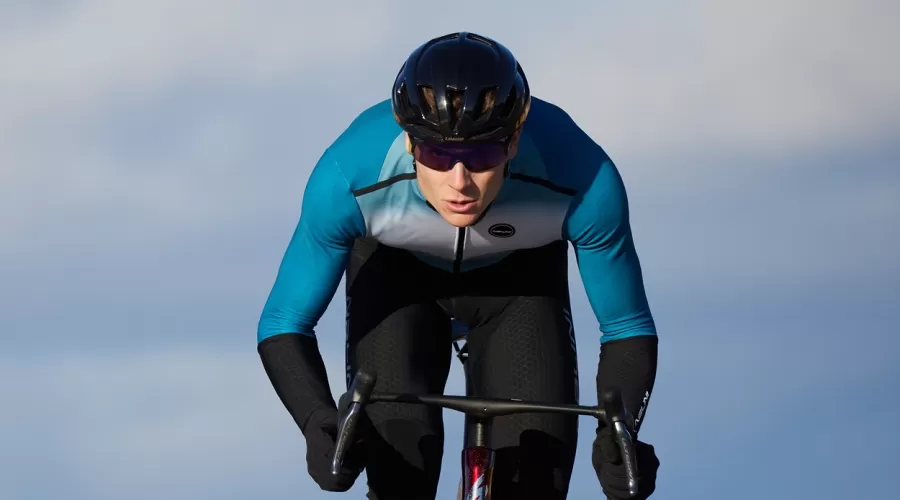
Road cycling and gravel, while sharing many similarities in clothing, have some specificities that can influence the choice of the ideal rain jacket. In road cycling, where the position is more aerodynamic and the speeds higher, racing-cut jackets are preferred, with a tighter but non-constrictive fit, which do not create resistance while pedaling.
The ideal jacket models for cyclists training on the road are the ultralight and compressible ones, which can be easily stored in a back pocket of the shirt when not needed. When traveling long distances, it's quite common to go from dry to rainy conditions and vice versa during the same outing, so a jacket that takes up little space can become a valuable ally.
For those who practice gravel, however, the approach may be slightly different. Dirt road adventures expose the cyclist more to mud and splashes, so a jacket with a sturdier protection at the bottom can make all the difference. Additionally, since gravel often involves riding in remote areas and on off-road trails, some cyclists may opt for slightly heavier jackets, sacrificing practicality for greater protection.
Cyclotourists and cyclists who mainly travel on urban routes have even different needs. Those who use their bike for daily commutes, for example, might appreciate jackets with additional pockets for storage and a less racing, more casual style that allows you to wear the jacket even once you get off the bike. Furthermore, in these cases, the possibility of folding the jacket is less of a priority than resistance and ease of use.
Nalini waterproof cycling jackets are the ideal choice for cyclists seeking total protection from the elements without sacrificing comfort, breathability and practicality. In fact, they combine advanced fabrics, ergonomic design and details designed to guarantee high performance in all climatic conditions. Nalini jackets are designed to offer an effective barrier against rain and wind, while maintaining excellent thermoregulation, essential for those who pedal even for many hours.
They stand out for their ability to combine lightness and durability: advanced technical materials, water-repellent treatments, elastic panels and intelligent solutions - such as windproof zips, refractive logos and breathable panels - make each jacket an indispensable ally in the most demanding outings. Among the best cycling rain jackets are the Breva Wind Jacket, the Scirocco Wind Jacket, and the Storm Jacket, three options designed to meet different needs and weather conditions.
The Breva Wind Jacket is the ideal wind and rain jacket for those who want maximum protection without sacrificing lightness and comfort. Made of a sophisticated three-layer technical fabric with DWR treatment and a 10,000 mm water column, it offers excellent defense against rain, wind and humidity, while maintaining remarkable breathability that allows sweat to evaporate effectively even during the toughest climbs. The high elasticity of the material allows for a slim fit that adheres to the body without forcing, improving aerodynamics and freedom of movement. The changing color of the jacket serves a dual function: aesthetic and safety, as it increases visibility on the road.

From a practical point of view, the Breva Wind jacket is equipped with a YKK® reverse zip with cam lock pull, zip garage and internal wind barrier, elements that prevent the entry of cold air and ensure optimal thermal insulation. Comfort is further enhanced by the soft fabric-lined neck and silicone gripper elastic bottom that keeps the jacket perfectly in place while pedaling. There is no shortage of three back pockets, essential for those facing long distances, nor the reflective logos to increase safety in low light conditions. The jacket also integrates the new ICE KEY DEVICE, an innovative system designed for cyclist safety. Despite its three-layer construction, the Breva Wind Jacket remains incredibly lightweight and easily foldable, perfect for carrying around at all times.
The Scirocco Wind Jacket, on the other hand, is a lightweight and highly versatile windproof jacket, designed to deal with variable weather conditions and to ensure protection without sacrificing maximum breathability. Windstopper fabric with microdesign ensures an effective barrier against the wind, reducing the dispersion of body heat and keeping the cyclist warm on descents or cool days.
The presence of elasticized fabric side and under-sleeve panels improves the fit and promotes moisture management, offering a feeling of constant comfort. The Scirocco jacket is particularly appreciated for its packability: it can be folded and easily stored in a shirt pocket or backpack, becoming an essential item for those who don't want to be caught unprepared by changes in temperature or wind. Featuring a front zip with extended pull and internal windproof fin, it offers an excellent balance between protection and ventilation. The elastic bottom ensures stability in the saddle, while the refractive logos increase safety on evening outings or with poor visibility.
The Storm Jacket represents the pinnacle of Nalini's rain protection, a jacket designed to tackle the most extreme conditions by combining comfort and performance. Made of completely waterproof materials and heat-sealed seams, it guarantees total protection against rain, while maintaining good breathability thanks to the presence of advanced technical membranes. The ergonomic design, combined with stretch fabrics at strategic points, ensures a snug yet comfortable fit, suitable for more intense outings.
The Storm jacket integrates technical solutions such as waterproof zips, tight-fitting cuffs to prevent water infiltration, a protective raised neck, and strategically placed refractive details to improve visibility in extreme conditions. Extremely lightweight and easily foldable despite the high level of protection, it is the perfect choice for cyclists who tackle long rides or who want a reliable garment for winter and days of heavy rain. Versatile, durable and designed to last, the Storm Jacket completes the Nalini offering for cyclists seeking the greatest possible protection.
A cycling rain jacket, however technologically advanced, will not be able to express its potential if it does not fit properly. Wereability is crucial: a jacket that is too loose can create air pockets and cause annoying creases and chafing, while one that is too tight can limit movement and compromise breathability by creating sweat storage points.
Technical cycling jackets are generally characterized by a fit called "slim" or "performance," meaning snug but not constrictive, designed to perfectly follow the lines of the body when assuming the saddle position. This is different from the "regular" or "comfort" fit of some jackets more oriented towards urban cycling or leisure. When choosing a size, it's important to consider that other layers will be worn under the rain jacket: in mid-seasons, perhaps just a long-sleeved cycling jersey, while in winter, a thermal underwear jersey can also be added.
Nalini offers a detailed size guide to help you choose, based on chest, waist, hip, and leg measurements. If possible, try on the jacket by simulating the position in the saddle: leaning forward as when holding your hands on the low crease of the handlebars will allow you to verify that the back is long enough and that the sleeves do not retract, exposing the wrists. Arm movements should be free, with no tension on the side panels or shoulders.
Tackling winter outings requires appropriate technical clothing. Layering your clothing, you will be able to deal with any climatic conditions, adding or removing garments based on temperature or weather conditions. The basic principle is that of layering: a first breathable layer in contact with the skin that wicks away sweat, an insulating intermediate layer if necessary, and the outer jacket that protects against wind and rain.
In conditions of intense cold with rain, combining the waterproof jacket with a thermal base layer made of technical materials or synthetic fabrics with high breathability is the ideal solution. This way, the body heat generated by pedaling will be retained by the air trapped between the layers, while the moisture will be transferred outward. A rain or windproof cycling jacket, designed with fabrics that promote sweat escape, is the ideal piece to complete your winter cycling outfit.
Winter tights with a built-in pad are the best solution for keeping your lower body warm. Models with water-repellent treatments or front-facing windproof panels offer additional protection, eliminating the need to wear leg warmers or leg warmers. For particularly heavy or prolonged rain, there are waterproof overshoes - such as Nalini's Bow 3D Winter model with DWR treatment - that complete the protection by preventing water from seeping into the shoes.
Accessories also make a difference: waterproof or windproof thermal gloves keep your hands warm and dry even in the rain (cold, wet hands make managing the brakes and gears dangerous), while a thermal under helmet is ideal for protecting your head and ears.

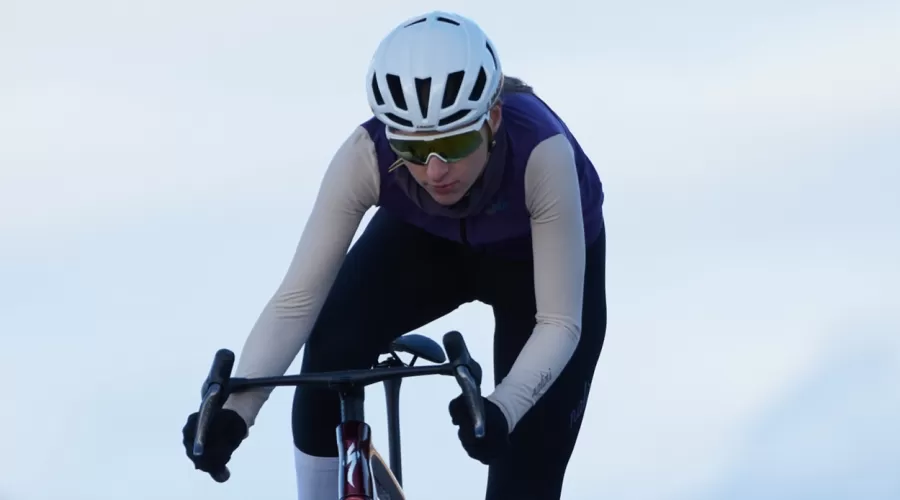
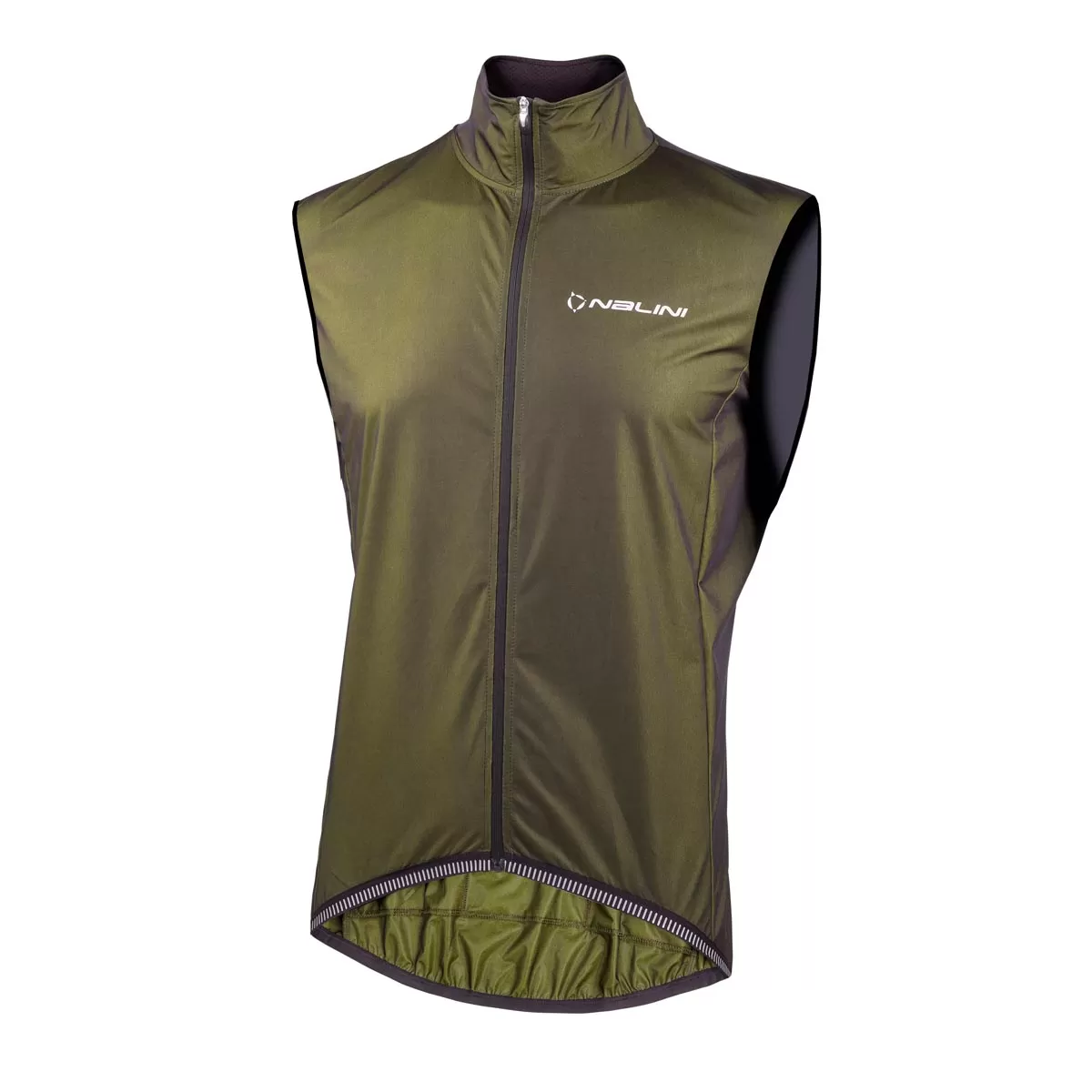
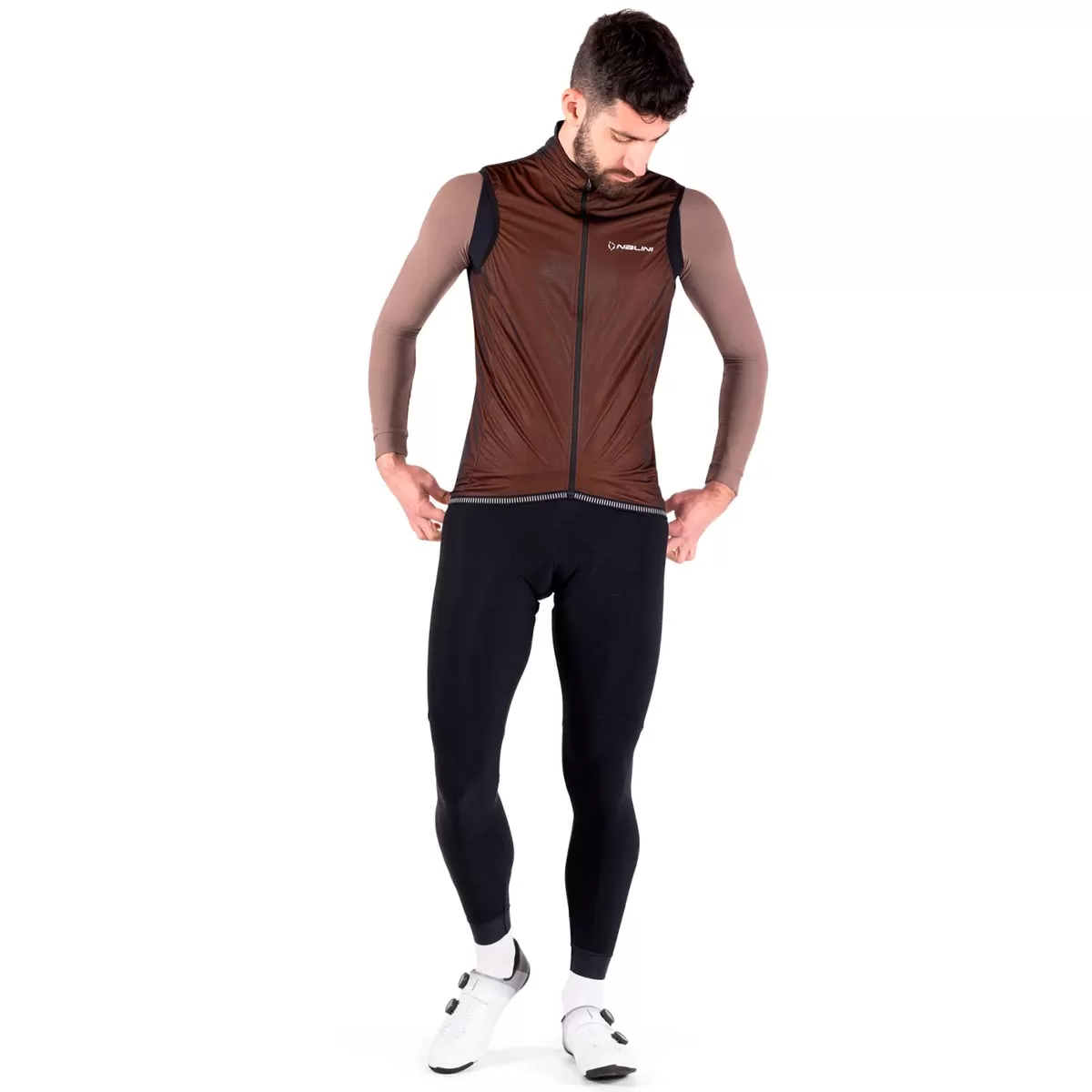
The art of layering also requires the ability to modulate: in a long exit where conditions can change, having the ability to remove or add a layer makes all the difference. A squeezable rain jacket can be stowed away when it stops raining, while an ultralight wind vest - such as the Scirocco Wind vest - can be easily added or removed as the temperature or intensity of the effort varies.
Do you need further advice to choose the best waterproof cycling jacket for you or would you like more information on the available models?


Your cart is empty
 Nalini
 The operation could not be completed